Mathew, the CIO of a fast-growing tech company, is sitting at his office desk, surrounded by a pile of vendor contracts. When he looks at them, he notices that each one of them promises cost savings, innovative features, and a solution to his company’s ever-growing IT needs.
However, the reality seems far from ideal. Every contract comes with its own set of complexities, including missed renewal dates, rising costs, and overlapping services. As Mathew scrolls through the spreadsheets to track hundreds of vendor relationships, he feels the weight of managing a sprawling ecosystem of software, hardware, and services that keeps the company running.
Let’s not forget that the year is 2026, and Mathew is not in a situation that’s relatively unknown to the IT leaders. In fact, IT leaders everywhere face similar challenges, irrespective of the industry they work in. Managing multiple vendors across diverse categories like software licenses, hardware suppliers, cloud services, and even SaaS subscriptions is not an easy task. The stakes are quite high: cost control, compliance, and vendor performance are the critical factors that determine the success or failure of IT departments.
But here’s what you need to know. This complexity doesn’t mean you’ll lead to inefficiency. Mathew’s situation soon changed when he realized that IT vendor management and IT Asset Management (ITAM) could no longer operate in silos. He could streamline business operations, track asset utilization, manage vendor contracts accurately, and ensure compliance with fewer resources just by integrating ITAM and vendor management.
This transformed how his company approached vendor management. It was a significant shift that enabled Mathew to optimize costs, reduce risk, and pay attention to what mattered the most: delivering value.
In this blog, we will explore the top IT vendor management tools that IT leaders can consider using in 2026, and how they integrate seamlessly with ITAM solutions. If you’re going through a similar situation as Mathew, you’re in the right place. Let’s dive into the tools so you can manage your vendor relationships efficiently.
What is IT vendor management?
IT vendor management tools are specialized tools designed to streamline and optimize your collaborations and relationships with external vendors. These tools help organizations cover various aspects of vendor interactions, from the initial stages, such as signing non-disclosure agreements (NDAs), to ongoing onboarding and performance evaluation processes.
The primary goal of IT vendor management tools is to manage the entire vendor lifecycle, ensuring efficient communication between your organization and vendors. These tools also ensure timely approvals, facilitating the prompt execution of tasks and projects.
One common challenge organizations face is managing SaaS vendors and evaluating the risks they pose. SaaS vendor management software helps IT teams by automating tasks, improving visibility into SaaS spending, and ensuring security and compliance standards are met.
By using IT vendor management tools, organizations can better manage their SaaS vendors, improve overall efficiency, and maintain strong security and compliance practices.
This Reddit thread signifies the importance of using IT vendor management tools.
Key features to look for in IT vendor management tools
In an era where vendor ecosystems are becoming extremely complex and IT leaders are under increasing pressure to optimize their operations, selecting the right IT vendor management tool is important.
But with so many options available for IT vendor management tools, how can you ensure you’re choosing a solution that truly meets your organizational goals? Here are the key features IT leaders should prioritize when evaluating vendor management tools.
1. Integration with ITAM: How integration enhances vendor management
The disconnect between IT vendor management and IT asset management (ITAM) tools is a major pain point for many IT departments. When these systems operate in silos, IT teams often end up struggling with fragmented data, overlapping contracts, and inefficient asset tracking processes.
The most effective IT vendor management tools integrate seamlessly with ITAM systems, providing a unified view of assets and vendor relationships to IT teams. These integrated solutions consolidate vendor performance, asset tracking, and contract details in one place, ensuring no asset is left unmanaged and no vendor is overlooked.
These integrated systems not only reduce data silos but also improve decision-making and automate workflows so IT teams can focus more on other important tasks.
For example, if a vendor’s, let’s say, Microsoft’s hardware fails, or software licensing is nearing renewal, the ITAM system can trigger automated notifications. This helps teams address issues proactively, manage compliance, and ensure that all asset-related costs are tied back to the relevant vendor contracts.
2. Automated vendor performance tracking: Measuring success with KPIs
Tracking vendor performance can be laborious and time-consuming, requiring constant monitoring. However, you can automate your vendor performance tracking with the right tool. Leading IT vendor management tools help organizations define key performance indicators (KPIs) for each vendor, based on metrics such as quality, delivery time, cost-efficiency, and support response time.
With automation, you can eliminate the need for constant follow-ups and manual reporting, allowing teams to focus more on strategic tasks. IT managers can automatically track these metrics and identify underperforming vendors quickly, make data-driven decisions, and take corrective actions before small issues turn into bigger problems.
3. Contract and compliance management: Maintaining control over SLAs and renewals
Contracts and compliance are two of the most critical elements of vendor management. Keeping track of hundreds of vendor contracts manually can lead to missed renewals, untracked service-level agreement (SLA) breaches, and compliance issues, putting your organization at risk.
Modern IT vendor management tools offer robust contract management capabilities, allowing your organization to track key contract dates (like renewal and expiration), monitor SLA performance, and automatically generate alerts for contract renewals or compliance audits.
These tools often provide built-in templates for vendor contracts, ensuring consistency and helping teams stay aligned with legal requirements.
4. Cost optimization: Built-in cost control and budgeting features
Cost management is a core concern for most IT leaders. Vendor contracts often come with hidden costs, unexpected price hikes, and inefficient pricing models. IT vendor management tools that include cost-optimization features provide transparency across all aspects of vendor relationships, from purchase orders to invoicing and billing.
These platforms, equipped with built-in budgeting tools, allow you to track spending against budgeted amounts, flag overages, and identify cost-saving opportunities. Automated alerts for renewals or price increases also help ensure that your business isn’t caught off guard by unexpected expenses.
5. AI-powered insights: Revolutionizing vendor selection and performance tracking
Artificial intelligence (AI) is transforming every facet of operational processes, including vendor management. It enables more sophisticated analysis, prediction, and automation. With AI-powered tools, IT leaders can gain actionable insights into vendor performance based on historical data. For example, AI can analyze vendor delivery patterns, flag potential risks, and predict future performance.
Predictive risk analytics allows IT teams to identify potential compliance issues, operational bottlenecks, and performance issues before they impact the business. Additionally, AI tools can assist in vendor selection by evaluating past performance and identifying the best-fit suppliers based on defined business criteria.
6. Dashboards & performance scoring: Keeping everything in one view
A good vendor management tool will provide intuitive, real-time dashboards that give IT leaders a snapshot of key vendor metrics, asset performance, contract status, and compliance data. These dashboards often include visual scorecards that assess vendor performance based on pre-set KPIs, providing an easy-to-understand summary of vendor health.
These insights allow IT teams to quickly assess where things stand, which vendors need attention, and how resources are being allocated. Whether it’s tracking ticket resolution times, asset uptime, or supplier engagement, dashboards consolidate essential data in one central location.
7. Multi-cloud/hybrid readiness: Adapting to modern IT environments
As organizations increasingly adopt multi-cloud or hybrid IT environments, it’s essential that vendor management tools can seamlessly operate across these platforms. Whether you’re dealing with SaaS, on-premise assets, or cloud-based services, the right vendor management tool should be able to handle complex, diverse vendor ecosystems.
By supporting multi-cloud/hybrid IT environments, these tools ensure that vendor relationships and performance data are consistently tracked across all platforms, helping to maintain control over costs, compliance, and performance even as your IT landscape evolves.
Top IT vendor management tools for IT leaders
In practice, “IT vendor management” tends to split into three overlapping tool categories:
- 1. ITAM-first platforms (where vendor, contract, and asset records are tightly linked),
- ITSM/workflow platforms (where vendor performance is measured through operational service delivery), and
- Procurement/source-to-pay suites (where supplier onboarding, spend controls, and contracting are managed centrally).
The tools below map to one or more of these categories, which is why IT leaders often evaluate them together when modernising an ITAM-led vendor strategy.
1. AssetSonar (ITAM-integrated vendor management)
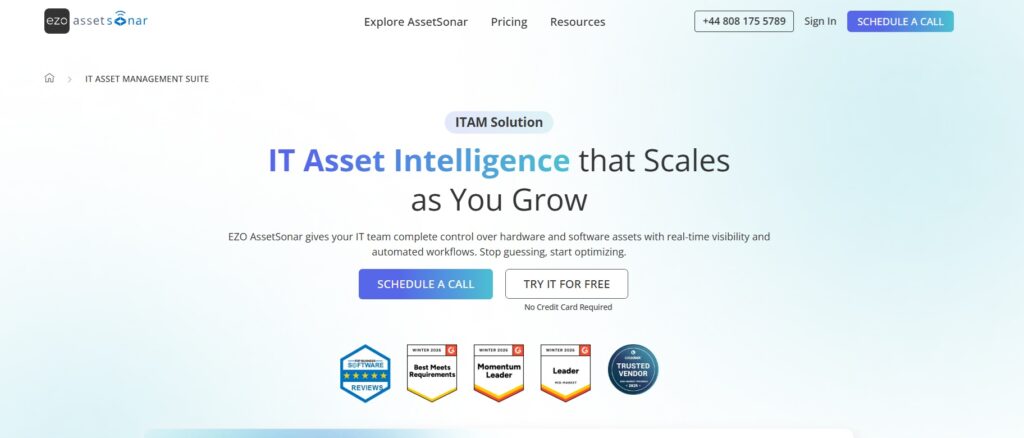
Overview: AssetSonar is an IT Asset Management (ITAM) platform that integrates vendor management directly into the asset lifecycle. This tool allows organizations to manage vendors alongside hardware and software lifecycle management, creating a unified view of asset dependencies and vendor performance.
Features:
- Vendor history tracking: Keeps a detailed record of vendor interactions, from purchase orders to service requests.
- Purchase order integration: Connects procurement costs with vendor records for full transparency.
- Centralized contract management: Stores and manages vendor contracts, including expiration dates and compliance terms.
- Service & warranty tracking: Manages service tickets, recurring services, warranty claims, and alerts for service renewals.
How it helps: AssetSonar reduces manual work and the risk of missed renewals by tying all vendor activities back to the asset lifecycle, ensuring that procurement, servicing, and warranty management align with actual asset usage and needs.
2. ServiceNow Vendor Management Workspace
Overview: ServiceNow’s Vendor Management Workspace is a robust tool integrated within its broader IT Service Management (ITSM) offering. It allows businesses to manage vendor performance, compliance, and contract adherence through real operational data, making it a valuable tool for performance monitoring and risk management.
Features:
- Vendor landing pages: Provides a central location to compare and manage vendor data, performance scores, and costs.
- SLA and performance tracking: Tracks vendor performance against service-level agreements (SLAs) and provides automated performance reporting.
- Risk and compliance monitoring: Monitors vendor risk data, including performance and financial risks, all within a single platform.
- Stakeholder satisfaction: Collects feedback from both vendors and internal stakeholders to gauge vendor effectiveness.
How it helps: ServiceNow ensures that vendor performance is measured objectively, using real operational data. This makes it easier to identify service gaps, mitigate risks, and enforce compliance, directly benefiting IT operations.
3. SAP Ariba (Supplier lifecycle and performance)
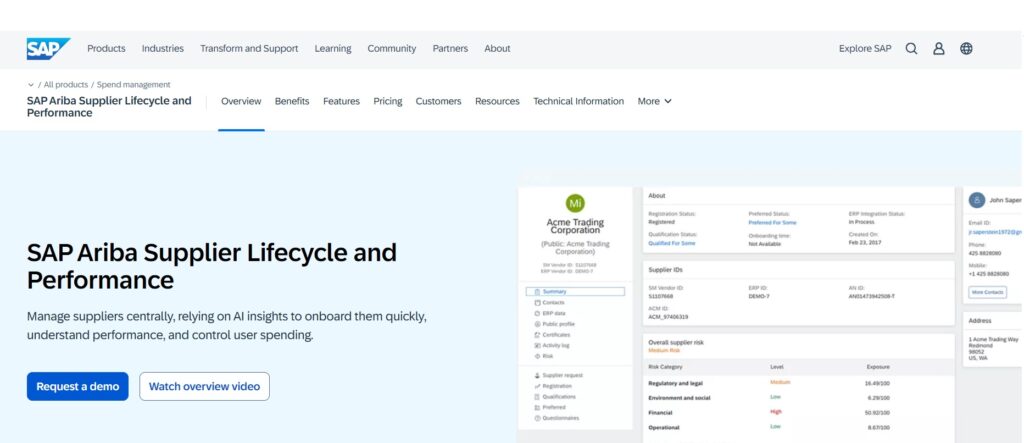
Overview: SAP Ariba provides a comprehensive supplier lifecycle and performance management tool that streamlines supplier onboarding, performance monitoring, and compliance tracking. It uses AI-powered features to help businesses assess and manage their supplier base more efficiently.
Features:
- Supplier self-registration: Vendors can enter and manage their own data, improving data accuracy and reducing administrative overhead.
- Supplier scorecards: AI-powered scorecards offer a data-driven approach to evaluating supplier performance.
- Contract and compliance monitoring: Proactively tracks compliance with supplier contracts and certifications.
- AI-assisted insights: Leverages AI to automatically extract relevant information from supplier documents, such as contracts and certifications.
How it helps: SAP Ariba helps IT leaders gain a 360-degree view of supplier performance and contract compliance. By streamlining supplier management and providing AI-assisted insights, businesses can make more informed procurement decisions and ensure smoother vendor relationships.
4. Coupa vendor management
Overview: Coupa is a widely recognized spend management platform that integrates supplier management capabilities, with a focus on ongoing supplier performance monitoring and risk management. It connects supplier data to operational procurement processes, creating a dynamic, data-rich vendor management environment.
Features:
- Continuous supplier monitoring: Alerts when suppliers deviate from agreed-upon performance metrics.
- Performance scoring: Aggregates supplier data (e.g., delivery times, quality) to create performance scores.
- Third-party risk management: Utilizes Coupa’s Risk Assess tool to automate third-party risk assessments and improve compliance.
- Integrated spend controls: Aligns procurement data with vendor performance metrics, providing a holistic view of supplier effectiveness.
How it helps: Coupa is ideal for IT leaders looking to integrate operational procurement data with supplier governance. By linking supplier performance to procurement workflows, it improves supplier visibility and helps address issues before they become operational risks.
5. GEP SMART
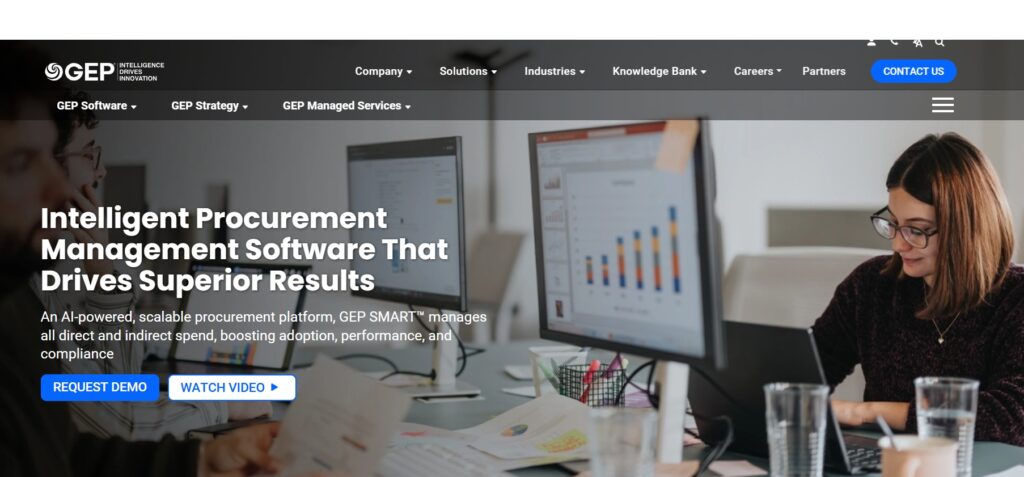
Overview: GEP SMART is a cloud-based procurement platform that offers a unified approach to supplier management. It consolidates supplier data, performance tracking, and procurement processes into a single platform, creating a cohesive, end-to-end solution.
Features:
- Supplier onboarding and segmentation: Streamlines the process of onboarding and categorizing suppliers based on business needs.
- Performance management: Monitors supplier performance through KPI evaluations and detailed scorecards.
- 360-degree dashboards: Provides comprehensive supplier insights, combining performance data with procurement history.
- Contract management: Includes AI-powered contract management tools to streamline approvals and monitor key contract milestones.
How it helps: GEP SMART improves procurement efficiency and reduces risk by consolidating supplier management within a single platform. IT leaders benefit from better supplier visibility, accurate performance tracking, and easier management of supplier contracts.
6. Ivalua
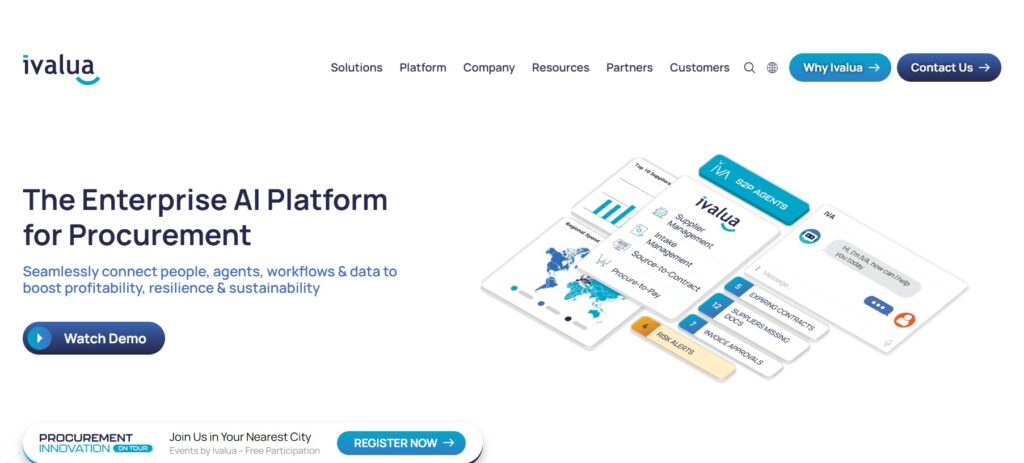
Overview: Ivalua is a leading procurement platform that offers comprehensive supplier management and contract lifecycle management features. It integrates risk management, performance evaluation, and contract tracking into a unified suite of tools.
Features:
- Risk and performance dashboards: Provides real-time insights into supplier performance and potential risks.
- Automated evaluations: Automates risk assessments and supplier evaluations to keep data fresh and accurate.
- Supplier collaboration: Enables collaborative workflows with suppliers to streamline communication and resolve issues quickly.
- AI-powered contract management: Includes tools to digitize contracts, extract key terms, and track compliance.
How it helps: Ivalua strengthens supplier governance by enabling IT leaders to track supplier performance, compliance, and contract milestones with a high level of accuracy. It’s particularly beneficial for organizations that want to combine procurement, legal, and risk management processes.
7. Oracle Procurement Cloud (Supplier Management)
Overview: Oracle Procurement Cloud offers a comprehensive suite of supplier management tools, integrated with Oracle’s broader enterprise resource planning (ERP) system. It is designed to streamline procurement processes, manage supplier qualifications, and ensure compliance with procurement contracts.
Features:
- Supplier qualification management: Includes questionnaires and scoring tools for evaluating potential suppliers.
- Compliance monitoring: Tracks supplier compliance with security, regulatory, and documentation requirements.
- Procurement contract management: Supports contract creation, approval, and management, with automated renewal reminders.
- Alerting and notifications: Sends proactive alerts for expiring qualifications or upcoming contract renewals.
How it helps: Oracle Procurement Cloud’s integration with ERP systems allows IT leaders to maintain consistency and visibility across the entire supplier lifecycle. It’s particularly useful for organizations looking to streamline procurement while ensuring supplier compliance with legal and contractual obligations.
8. JAGGAER ONE
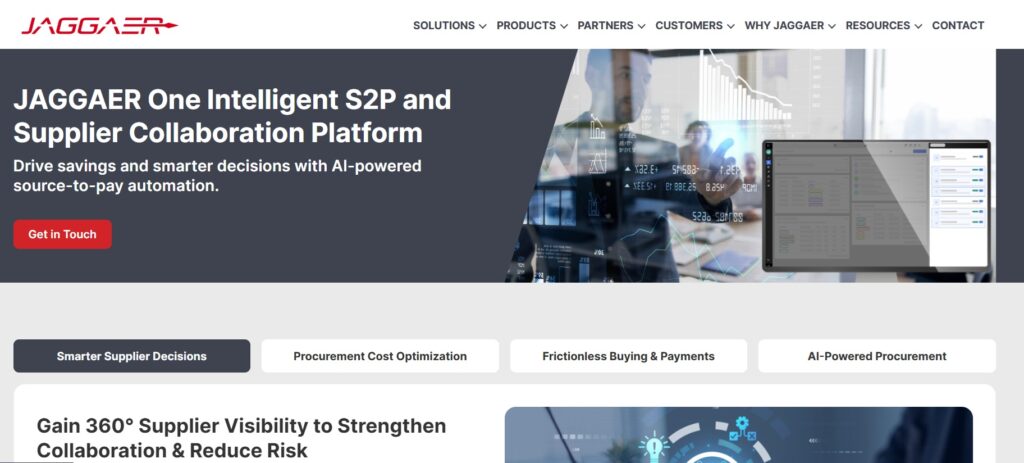
Overview: JAGGAER ONE is a cloud-based procurement and supplier collaboration platform that leverages AI for supplier performance tracking and contract lifecycle management. Its focus on supplier visibility and performance monitoring helps businesses stay ahead of potential risks.
Features:
- Supplier onboarding and compliance checks: Simplifies supplier onboarding while ensuring compliance with legal and regulatory standards.
- Performance tracking: Uses KPIs, assessments, and scorecards to monitor supplier performance across multiple metrics.
- AI-powered CLM: Automates contract lifecycle management, from creation to renewal, with AI-powered alerts and notifications.
How it helps: JAGGAER One combines procurement with supplier performance monitoring, creating a unified platform for supplier management. IT leaders can use it to reduce risks, ensure compliance, and improve procurement processes.
9. Procurify
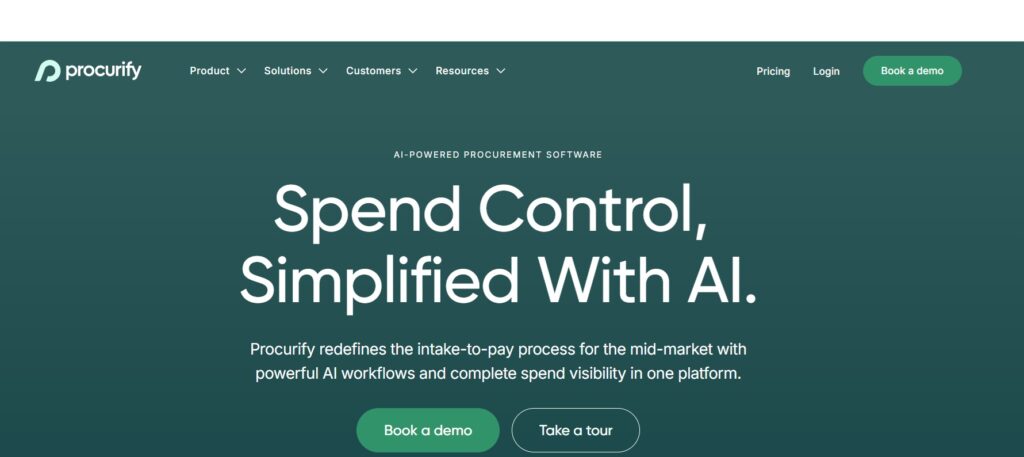
Overview: Procurify is a procurement software designed for small and medium-sized businesses (SMBs) to manage vendor and contract data. It offers simple, intuitive features for procurement visibility, control, and vendor management.
Features:
- Vendor onboarding: Simplifies the vendor onboarding process with vendor request forms and data syncing with ERP systems.
- Contract management: Tracks contract details such as dates, amounts, terms, and expiration dates.
- Purchasing workflows: Automates procurement workflows to ensure compliance and prevent unauthorized purchases.
How it helps: Procurify offers SMBs a practical solution for managing vendor relationships and controlling procurement processes. It’s ideal for growing organizations that need visibility and control without the overhead of larger enterprise systems.
10. Vendorful
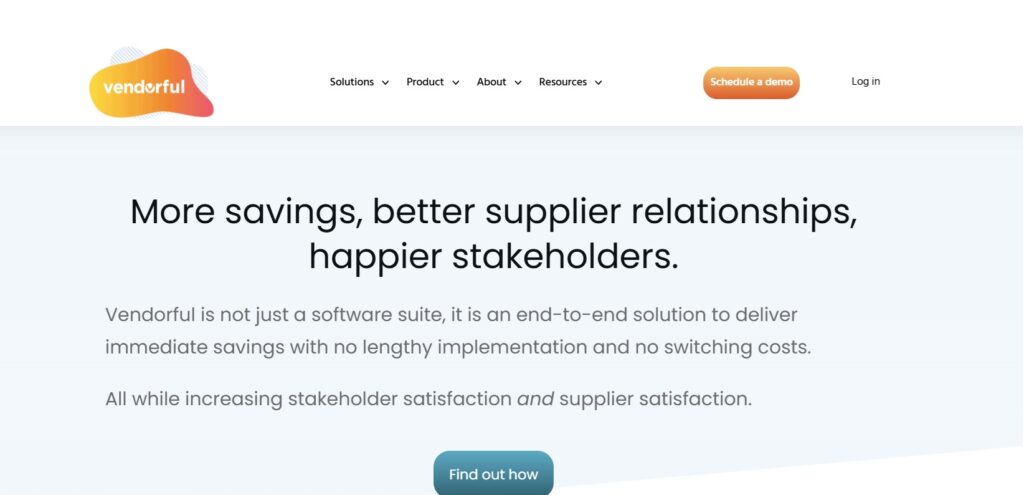
Overview: Vendorful is a vendor management platform designed for strategic sourcing and supplier relationship management. It focuses on streamlining vendor selection, RFP execution, and ongoing supplier performance monitoring.
Features:
- RFP automation: Automates the entire RFP process, from vendor invitation to bid evaluation and scoring.
- Supplier performance scorecards: Tracks supplier performance through customizable surveys with weighted scoring.
- Contract repository: Stores contracts with easy search, filtering, and renewal reminders.
How it helps: Vendorful is perfect for IT leaders who prioritize governance and performance measurement. Its structured approach to RFP execution and supplier evaluation helps ensure that vendors are selected based on objective criteria, reducing risk and improving supplier outcomes.
ITAM integration notes for IT leaders
If your goal in 2026 is to make vendor governance “asset-aware,” the key distinction is whether vendor and contract objects can be directly tied to the IT asset lifecycle (procure → deploy → service → retire).
AssetSonar is explicitly designed to manage IT assets end-to-end (including purchase orders, contracts, servicing, and vendor history) within the ITAM environment itself.
For the procurement-led suites (SAP Ariba, Coupa, SMART by GEP, Ivalua, Oracle Fusion Cloud Procurement, JAGGAER One, Procurify, Vendorful), the most ITAM-relevant outcome is typically stronger supplier onboarding, performance measurement, contract repository/renewal controls, and risk/compliance signals. Then, integrating those vendor/contract records into your ITAM system so renewals and risk decisions reflect actual usage and asset dependency.
Comparative kickoff table for IT vendor management tools
| Tool | Best For | ITAM Integration | AI/Analytics | Budget Tier |
| AssetSonar | ITAM & Vendor Insights | ⭐⭐⭐⭐ | ⭐⭐⭐ | Mid‑High |
| ServiceNow | Enterprise Workflows | ⭐⭐⭐⭐ | ⭐⭐⭐⭐ | High |
| SAP Ariba | Procurement Scale | ⭐⭐⭐ | ⭐⭐ | High |
| Coupa | Spend & Compliance | ⭐⭐⭐ | ⭐⭐⭐ | Mid‑High |
| GEP SMART | AI Analytics | ⭐⭐ | ⭐⭐⭐⭐ | High |
| Ivalua | Risk & Governance | ⭐⭐ | ⭐⭐ | Mid‑High |
| Oracle Cloud | Enterprise Suite | ⭐⭐⭐ | ⭐⭐ | High |
| JAGGAER ONE | Complex Regulated IT | ⭐⭐ | ⭐⭐ | Mid‑High |
| Procurify | SMB/Mid Market | ⭐⭐ | ⭐ | Mid |
| Vendorful | Sourcing Focus | ⭐ | ⭐ | Mid |
How to choose the right IT vendor management tool for your organization?
Choosing the right IT vendor management tool is crucial for streamlining procurement processes, strengthening vendor relationships, and improving cost and compliance control. The decision depends on several factors.
Here’s how to evaluate them effectively:
1. Assess your needs
Understanding your organization’s needs is the first step in selecting the right tool. Consider the scale and complexity of your vendor relationships, as well as your objectives for using the tool.
A large enterprise like ServiceNow, known for managing complex workflows, is ideal for organizations with a broad range of vendors and a need for advanced compliance and service management. However, a smaller organization with fewer vendors might benefit from a more straightforward tool like Procurify, which focuses on simplicity and cost efficiency.
By aligning the tool with your organization’s goals, whether it’s improving supplier performance, enhancing visibility, or reducing procurement costs, you ensure a good fit for both your current needs and future growth.
2. Integration with existing systems
To maximize efficiency, your chosen vendor management tool should integrate seamlessly with existing IT Asset Management (ITAM), financial, and enterprise systems. This ensures data is synchronized across the organization, making processes smoother and more accurate.
AssetSonar offers strong integration with procurement systems, allowing vendor data to be linked directly to the IT assets they supply. This integration helps you track asset procurement, warranties, and service histories, reducing errors and providing a holistic view. On the other hand, SAP Ariba integrates well with large-scale procurement and financial systems, making it a suitable choice for enterprises looking to centralize supplier performance and procurement data.
A tool that integrates well with your existing systems will streamline workflows and ensure consistent data across platforms, ultimately enhancing operational efficiency.
3. Customization options
Customization is key to ensuring the tool fits your organization’s unique workflows and processes. Whether it’s configuring vendor onboarding, defining performance KPIs, or tailoring dashboards, customization helps make the tool more relevant and valuable.
Coupa provides extensive customization options to create workflows tailored to your procurement needs. You can set up alerts for supplier performance issues or automate supplier compliance checks. For organizations that require greater flexibility, GEP SMART lets you create custom scorecards and dashboards that align with your procurement goals, enabling you to track supplier performance exactly as needed.
The ability to tailor the tool to your specific business processes ensures that you are optimizing vendor management according to your internal standards.
4. Budget & ROI
Cost is a major factor in selecting the right tool. However, it’s important to balance cost with the value it provides. Consider not only the initial investment but also the long-term ROI the tool will deliver through cost savings, efficiency improvements, and risk reduction.
Procurify is an affordable solution for small to mid-sized businesses, offering a streamlined approach to vendor management with a clear ROI through improved procurement controls and contract tracking. In contrast, tools like ServiceNow or Oracle Procurement Cloud, which come with higher upfront costs, deliver significant ROI for large organizations by automating complex workflows, reducing manual errors, and providing advanced analytics to optimize vendor performance.
When choosing a tool, ensure it provides tangible benefits, such as cost savings or enhanced vendor performance, that justify the initial and ongoing costs.
The future of IT vendor management
The landscape of IT vendor management will undergo significant changes by 2026, driven by advances in AI and machine learning, evolving ITAM systems, and a shift toward more collaborative vendor relationships.
AI, machine learning, and automation
By 2026, AI and machine learning will be integral to predicting vendor performance and automating processes such as contract renewals and risk assessments. These technologies will enable businesses to make data-driven decisions, proactively track vendor performance, and optimize contracts and pricing.
Tools like Coupa will leverage AI to predict supplier performance, while automation will reduce manual monitoring, making vendor management more efficient.
Next-gen ITAM tools
ITAM systems will evolve to integrate deeper with vendor management, enabling organizations to track vendor performance alongside asset lifecycles. These tools will manage vendor contracts, warranties, and SLAs, ensuring more seamless vendor governance and proactive management.
AssetSonar will expand its ITAM features, linking vendor performance directly with asset lifecycle data, enabling better management of contracts, warranties, and renewals.
Vendor collaboration
There will be a shift toward more transparent, collaborative relationships with vendors. IT leaders will prioritize vendors that align with their business goals and engage in open communication about performance and quality.
Vendorful already facilitates collaboration through RFP automation and performance scorecards, and these capabilities will become more refined for deeper, long-term vendor partnerships.
Conclusion: Elevate your IT vendor management with the right tools
In today’s rapidly evolving IT landscape, choosing the right vendor management tool is more critical than ever. The right tool can streamline operations, improve vendor performance, reduce risks, and give you better control over costs. Whether you are looking for a comprehensive ITAM-integrated system like AssetSonar or exploring other options tailored to your organization’s needs, the key is finding a solution that aligns with your goals and seamlessly integrates with your existing systems.
By leveraging the best IT vendor management tools, you can ensure that vendor relationships are optimized, contracts are efficiently managed, and overall IT operations run smoothly. The future of IT vendor management is here; embrace it today to drive long-term success.

![[How-to] Manage Software License Renewals in AssetSonar](https://cdn.ezo.io/wp-content/uploads/2025/01/13100054/license-renewals-scaled.jpg)
![[How-to] Manage Software Licenses And Ensure Compliance With AssetSonar](https://cdn.ezo.io/wp-content/uploads/2019/06/13115346/software-licenses--scaled.jpg)
![[How-to] Purchase Order Management In AssetSonar](https://cdn.ezo.io/wp-content/uploads/2020/12/Purchase-Order-Management-In-AssetSonar.png)