Executive Summary
Delft Imaging, a global health tech organization operating across 90+ countries, faced growing complexity in managing thousands of distributed diagnostic systems and mobile healthcare units. Manual tracking and fragmented workflows slowed support and limited visibility.
With EZO, Delft Imaging centralized its install base, connected asset data to service workflows, and automated support processes. This shift reduced ticket friction, improved operational efficiency, and enabled global scale without increasing headcount.
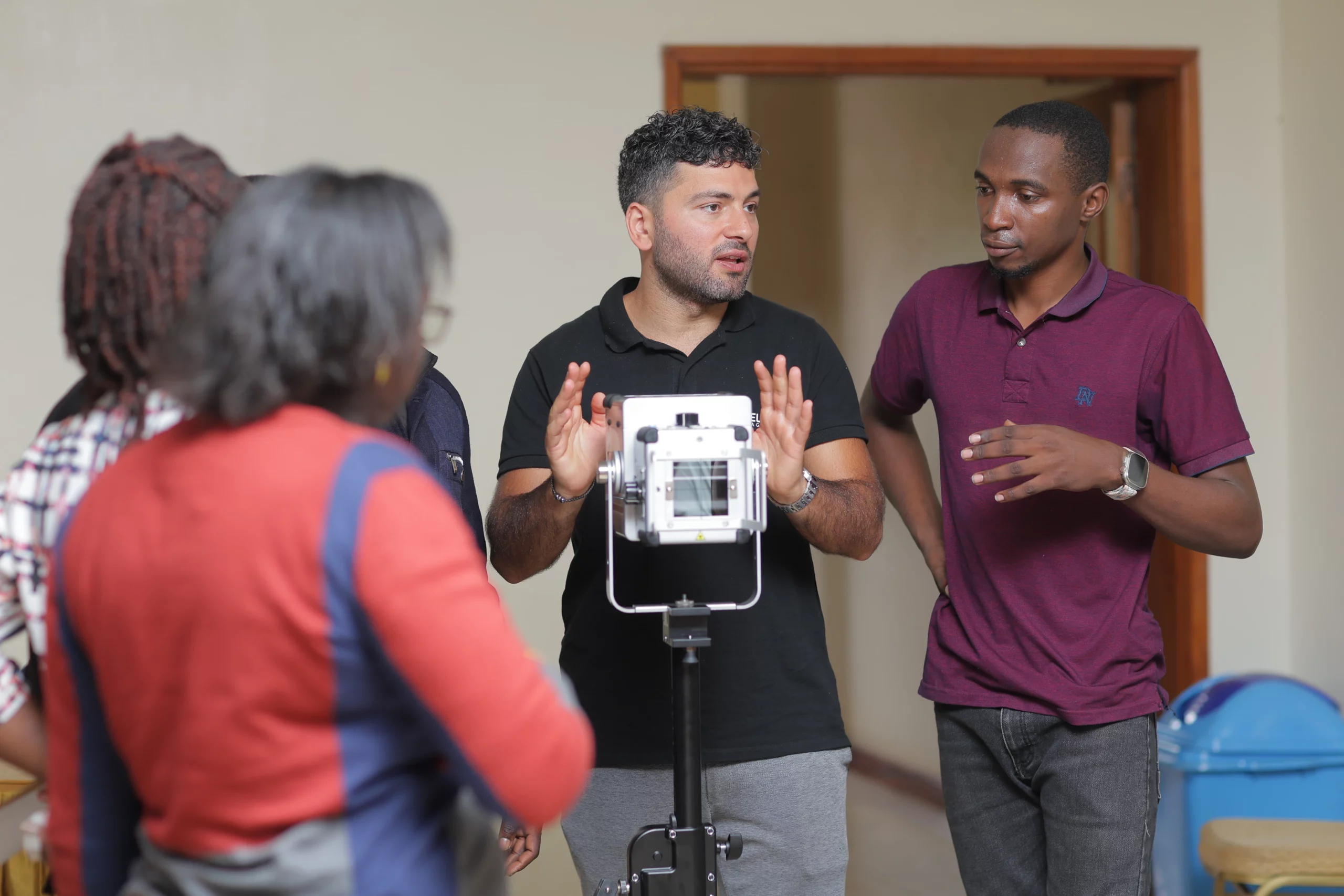
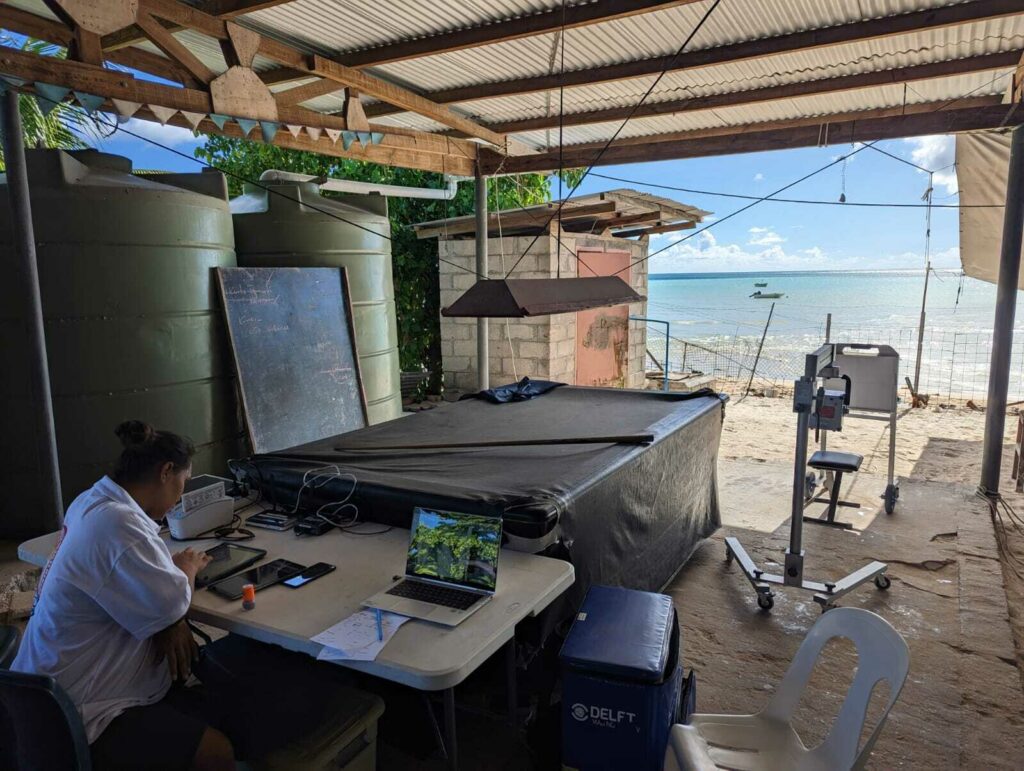
In Delft Imaging’s case, operational reliability isn’t just an internal metric; it directly impacts access to diagnostic care in the field. Because Delft Imaging supports healthcare initiatives across underserved and developing regions, faster support and better asset visibility help ensure that mobile screening units, diagnostic systems, and radiology equipment remain operational where healthcare access is often limited.
The challenge: Manual operations at a global scale
As Jitin Gopakumar, the Head of Project and Delivery Operations at Delft Imaging, explains, Delft Imaging’s operational model struggled to keep pace as it expanded globally. What began as manageable tracking in Excel soon became unsustainable at scale, as asset data relied heavily on manual updates, compromising accuracy and reliability. Key information, such as warranty status, service history, and project data, remained fragmented across teams, resulting in significant visibility gaps.
It was the support teams who felt the impact most. Without direct access to system data, help desks had to rely on internal teams for validation, which slowed response times and increased customer downtime.
“If they forgot about a few systems, then we completely forgot about them.”
— Jitin Gopakumar, Delft Imaging
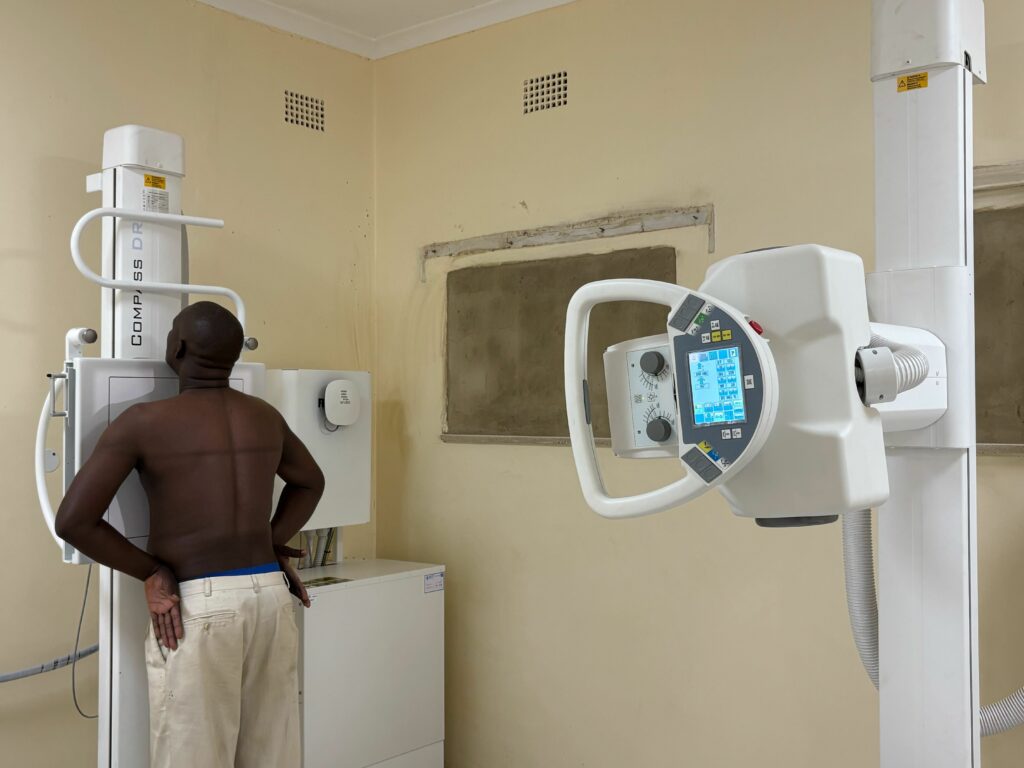
At scale, this wasn’t just inefficient; it meant losing visibility over systems that directly support healthcare delivery. For Delft Imaging, downtime is not isolated to internal operations. Many of these systems support diagnostic screening operating in regions where access to healthcare infrastructure is already limited. Delays in support or visibility can directly affect how quickly healthcare teams can continue serving patients in the field.
The solution: A centralized asset operations layer
Delft Imaging implemented EZO as a centralized system to manage its global install base, but more importantly, they structured it around how their operations actually work. Instead of treating asset management as a standalone function, they built a model where each customer project became a core unit, with all associated assets, warranty timelines, service history, and system configurations linked to it.
Unlike traditional asset systems that serve as static records, EZO has become an operational layer that connects asset data directly to execution. Operations teams maintain lifecycle data, support teams use it to resolve tickets faster, and sales teams leverage it for proactive engagement with clients based on their asset needs. Role-based access ensures that global teams have the visibility they need while maintaining control over sensitive data.
“It’s like an information hub for all the teams.”
— Jitin Gopakumar, Delft Imaging
The result is not just centralization but execution, in which every team operates on the same system without relying on manual coordination.
Execution in practice: Context-driven support with Jira
The most immediate transformation came in support workflows. Previously, every ticket required manual effort to reconstruct context, identify the system, check warranty status, and trace service history across multiple sources.
With EZO integrated into Jira, this process became seamless. When a ticket is created, asset data is automatically pulled into the workflow, giving technicians instant visibility into warranty status, project details, and service history. Instead of searching for information, they start with it.
“Jira integration… allows the right information to come into the ticket.”
— Jitin Gopakumar, Delft Imaging
This shift eliminates manual lookups and transforms how support operates, from reconstructing context to acting on it instantly. It also enables more informed decision-making, as technicians can identify recurring issues and act proactively rather than reactively before sending diagnostic equipment to customers.
For a globally distributed healthcare organization like Delft Imaging, this means critical diagnostic equipment can stay operational across remote healthcare programs and mobile screening initiatives where service interruptions can delay patient care.
Business impact
1. Time savings at the point of execution
Every support ticket previously required 5–10 minutes of manual validation and coordination. With EZO, this effort has been eliminated, saving approximately 1,000–2,000 hours across 10,000 tickets to date. This reduction occurs at the point of execution, where delays directly affect response times and the customer experience, leading to faster resolutions and a reduced backlog.
2. Measurable efficiency gains without scaling headcount
By connecting asset data with service workflows and removing manual steps, Delft Imaging has achieved significant improvement in operational efficiency. Instead of hiring additional resources to manage complexity, the organization has scaled through systems, enabling teams to handle significantly higher volumes of work without a proportional increase in effort.
3. Leaner teams, stronger governance, and scalable operations
EZO fundamentally changed how teams operate. Support teams can resolve tickets independently, sales teams can access warranty and asset data directly, and regional teams can operate within controlled data scopes. At the same time, role-based access ensures data accuracy and governance across a global environment.
This combination of independence and control allows Delft Imaging to scale globally without increasing operational complexity.
“If we removed EZO today, it would be chaos.”
— Jitin Gopakumar, Delft Imaging
Beyond operations: Supporting mission-critical impact
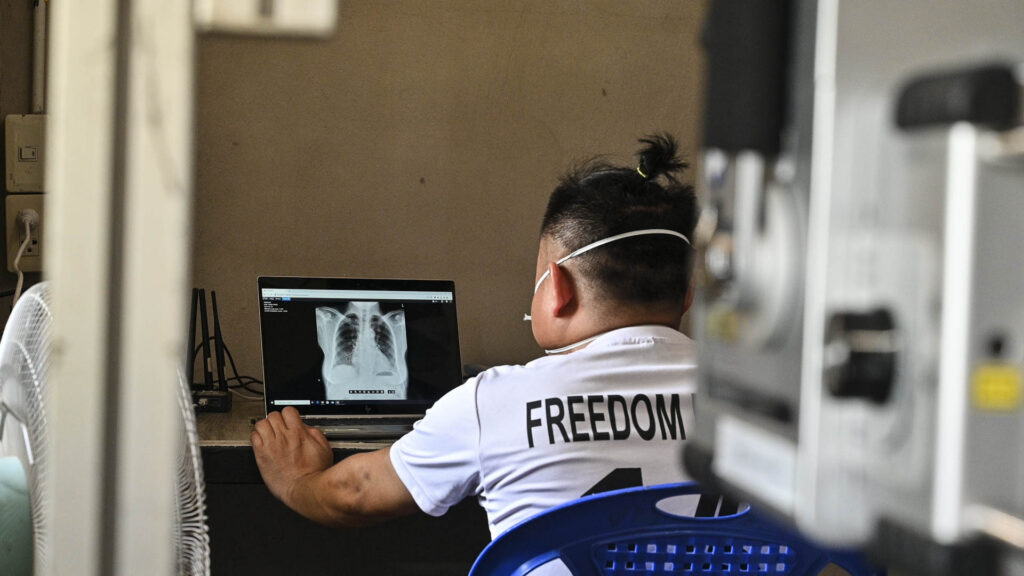
For Delft Imaging, operational efficiency directly impacts healthcare delivery. With EZO in place, first response times are under 30 minutes, and 99% of tickets are resolved within 24 hours. This ensures that diagnostic systems remain operational, minimizing downtime and supporting continuous care in critical environments, especially across global medical camps.
This operational reliability supports Delft Imaging’s broader mission of enabling healthcare access in underdeveloped and underserved regions worldwide. By ensuring diagnostic systems, radiology units, and screening equipment remain available and supportable at scale, Delft Imaging can help healthcare providers continue delivering faster diagnostics and uninterrupted care in environments where every operational delay carries real-world consequences.
Looking ahead: From visibility to insight
With a strong operational foundation in place, Delft Imaging is now focused on expanding visibility into insights. By integrating EZO with Power BI, the organization aims to integrate asset and service data, identify regional trends, and continuously optimize operations.
The goal is clear: move from tracking to visibility, from visibility to insight, and from insight to optimization.
Conclusion
Delft Imaging’s transformation wasn’t about better asset tracking; it was about building a system for execution. By connecting asset data directly to workflows and decisions, they turned operations into a system that scales with the business.
The result is not just faster support or lower costs, but a more reliable operational model that supports mission-critical outcomes at scale.
For Delft Imaging, that scale extends beyond operations into global healthcare impact, helping teams support diagnostic and screening initiatives across regions where reliable healthcare infrastructure is often difficult to maintain.
This is the shift modern enterprise teams are making: from tracking assets to running operations on top of them.