
Executive summary
Supporting roughly 6,000 vending machines across 11 sites, Pepsi MidAmerica used EZO EAM and custom API integrations to link approved requests with equipment checkout, installation work orders, and dispatch.
There’s a particular kind of surprise in finding something you’ve already written off.
At Pepsi MidAmerica, that something was equipment.
“We’ve actually found assets that we determined at one point in time in the past were lost, and we already wrote them off. So it’s like, oh well, there you go, it still exists.”
— Nick Powless, Director of Information Systems at Pepsi MidAmerica
A welcome discovery, certainly. And one with a practical consequence: equipment believed lost can prompt plans to buy replacements, even when the company still owns it.
That discovery gets to the heart of Pepsi MidAmerica’s story with EZO EAM. What began as an effort to track IT equipment grew into a system that connects departments, customer locations, and the equipment moving between them.
Before that confidence came a familiar frustration: a green-screen system and equipment locations that depended on manual updates.
When the location depended on the last manual update
Pepsi MidAmerica holds franchise rights to produce and distribute Pepsi, Dr Pepper, and 7Up products across its regional territory. Corporate headquarters handles manufacturing and production, while regional sites handle distribution.
Then there’s the vending business: roughly 6,000 vending machines and more than 400 micro markets. These open kiosks have shelves and coolers where customers choose their products and check out much as they would in a grocery store.
Nick’s six-person IT department supports the company’s 11 sites.
At that scale, keeping equipment accounted for takes more than knowing the company owns it. The team needs to know where it is, who has it, and what comes next.
The old setup made those answers difficult to trust.
Pepsi MidAmerica used VMMS, a legacy system familiar to bottlers, to track maintenance, work orders, and asset locations. Nick describes its interface as a DOS-like green screen: users had to know the program and key information manually. Parts for its aging handheld devices were also becoming difficult to source.
The bigger problem reached beyond the screen. An equipment location was only as current as the last manual update.
“You really couldn’t have any certainty as to where a vending machine or cooler was actually located.”
— Nick Powless
IT faced the same uncertainty with handheld computers and mobile printers. Meanwhile, field technicians lacked a structured service system and relied on paper instructions telling them where to work.
IT and field service were both working without equipment records they could confidently rely on.
The goal: know who has what and where it belongs
The first task was to give IT a dependable way to record equipment assignments and movements.
Around 2017, a member of Nick’s team discovered EZO EAM. Pepsi MidAmerica started with handhelds, mobile devices, and printers.
“Once that was implemented, we’re like, okay, this can be done with everything.”
— Nick Powless
Other uses followed: toner, parts-room inventory, office supplies, point-of-purchase marketing materials for customer sites, and employee uniforms. The company could order items from one place and distribute them across the company.
“It’s turned into a much bigger asset tracking system than it originally was intended for.”
— Nick Powless
IT equipment remained part of that expanding system. When an employee needs a laptop or iPad, the connected onboarding process records the equipment assignment in EZO.
As Nick puts it, “So we know who has what immediately.”
The next step was bigger: coolers, fountain equipment, coffee machines, and the vending fleet.
That decision took longer. In a franchise network, it’s natural to start by looking at what other bottlers are doing. But after about a year, Pepsi MidAmerica still hadn’t found a solid plan.
Eventually, Nick’s team chose the system they already knew worked.
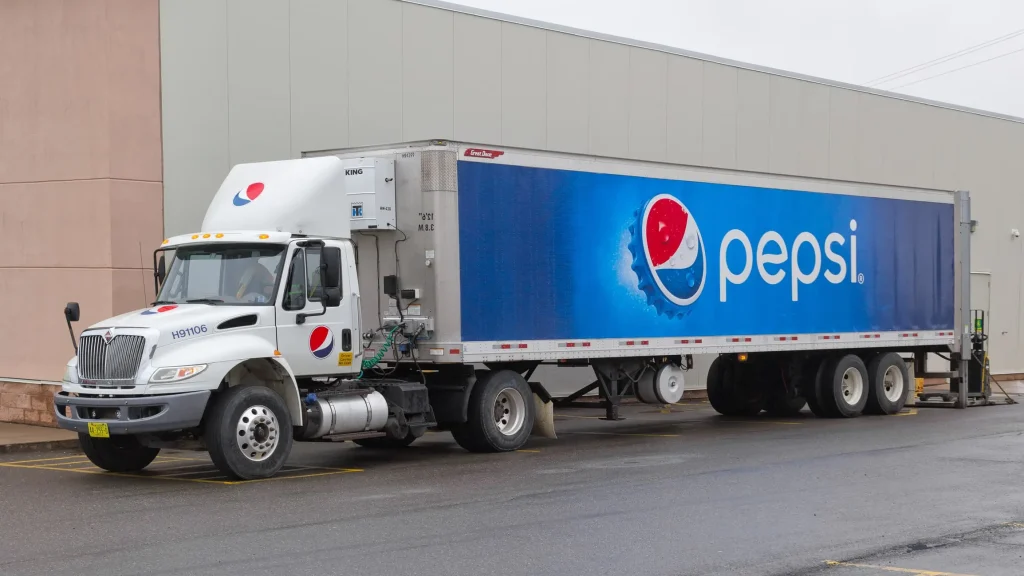
The equipment record became the link from request to dispatch
Tracking equipment was one part of the job. Getting the right machine to the right customer required several teams and systems to work together.
Nick’s team built its own integration layer using the EZO API, connecting EZO EAM with the company’s approval workflow, order-to-cash, and warehouse system.
Customer records from the distribution and vending businesses sync into EZO EAM several times a day. Each customer is created as both a member and a location, allowing the team to check equipment out to the customer and record the customer’s site.
Here’s how an equipment request moves through that setup:
Sales submits the request
A salesperson requests customer setup or maintenance, including the customer’s equipment requirements.
The approved request reaches the warehouse team
Vending warehouse management selects an asset that EZO EAM shows as available.
The connected systems carry the work forward
The asset is checked out to the customer; EZO EAM creates an installation work order, and the order-to-cash and warehouse system raise an order to dispatch the machine by trailer to the appropriate Pepsi location for delivery.
The people still make the decisions. The integration keeps records and next steps moving.
“I don’t always have to be in that [EZO EAM] system, but things are constantly synchronized, and they flow to where they’re supposed to be.”
— Nick Powless
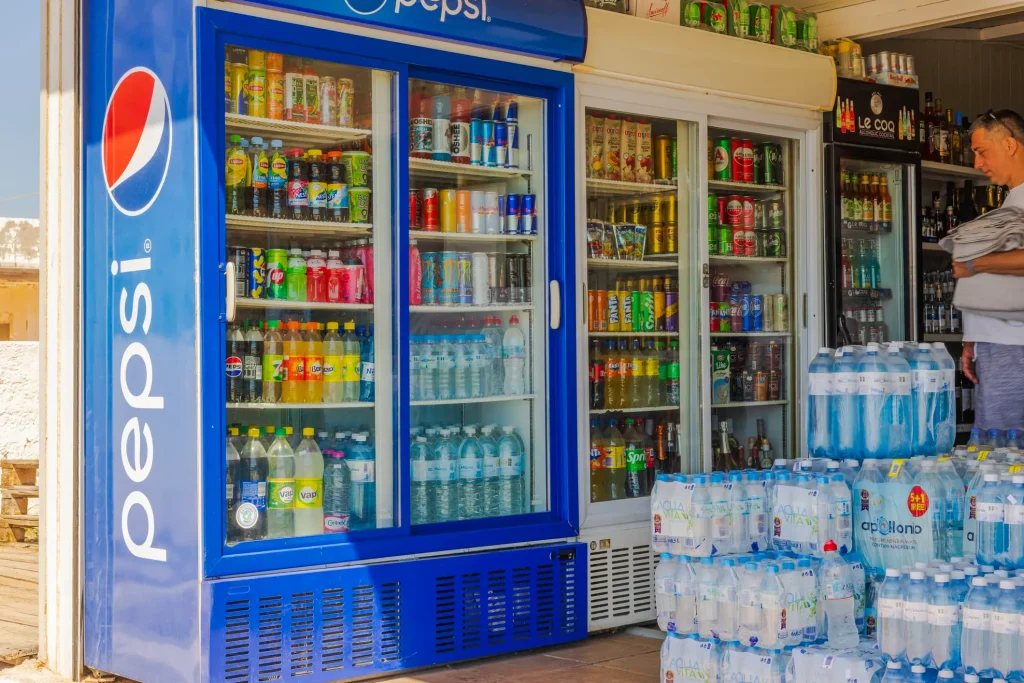
The work order stays open until the checklist is complete
For field technicians, the change was just as practical.
Instead of relying on a piece of paper with the day’s destination, technicians use the mobile app to access the work orders and attached checklists.
Nick reports a significant improvement over the previous approach. One capability stands out: In Pepsi MidAmerica’s setup, technicians cannot fully close a work order until they complete the required checklist steps.
“That’s definitely something that we’ve needed,” Nick says.
A work order now gives technicians more than somewhere to go. It gives them a defined set of steps to complete before they can close the job.
A machine’s location matters after installation, too
Equipment location also matters after delivery and installation.
Nick explains that, in certain states where Pepsi MidAmerica operates, the company must pay sales tax on vending revenue by machine. Knowing the machine’s location helps the team determine the proper sales tax.
Under the old setup, that record depended on someone remembering to update it. In the connected workflow, changes automatically update the equipment’s location in EZO EAM.
“I can say with certainty today, if I were to search for an asset number inside of [EZO EAM], I would know where it was at.”
— Nick Powless
That confidence supports daily operations and the location records finance needs. Nick also reports that the company found assets previously believed lost and written off.
For Nick, the value extends beyond finding the equipment itself. Knowing what it still owns lets the company reconsider purchases driven by the belief that equipment was missing.
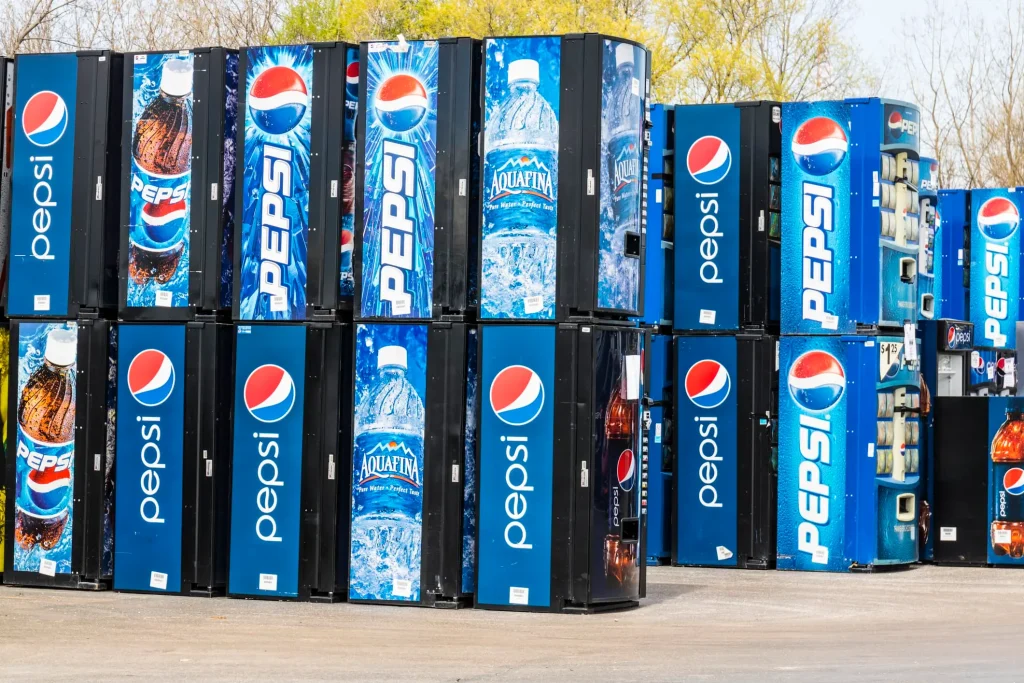
Finding the equipment was only part of the change
Pepsi MidAmerica didn’t begin with a plan to connect all of these workflows. It started with IT equipment that was hard to track.
As the system proved useful, more departments put it to work. Today, EZO EAM supports office equipment, supplies, field equipment, and work orders, with Pepsi MidAmerica’s custom integrations connecting requests, approvals, and dispatch.
“It is a necessity at this point. It’s something that we’ve fully integrated into just about anything and everything that we have in our organization.”
— Nick Powless, Director of Information Systems at Pepsi MidAmerica
The memorable part for Pepsi MidAmerica is finding equipment after it’s been written off. The everyday value is knowing where to look and having a record the team can trust when they need it.
Give your teams equipment records they can trust
See how EZO EAM can help you track equipment, manage work orders, and connect your workflows through its API.

