Lucidchart is often used across product, engineering, IT, operations, and business teams, which can make user access difficult to review from software license records alone. When Lucidchart users are managed outside AssetSonar, IT teams may have to manually compare application access against their software records to understand who is using the tool and which users should be linked to the relevant license.
With AssetSonar’s Lucidchart integration, you can connect your Lucidchart account, sync Lucidchart users into AssetSonar, and use those synced users for software visibility and license entitlement workflows. This helps you review Lucidchart access from your software records and reduce manual reconciliation when managing licenses.
This guide walks you through creating a Lucidchart API key, connecting Lucidchart with AssetSonar, reviewing synced users, and using synced members for license entitlements.
1. Create an API Key in Lucidchart
Before connecting Lucidchart in AssetSonar, create an API key from the Lucid Developer Portal. AssetSonar uses this API key as the authentication token for the Lucidchart integration.
To create the API key:
- Log in to the Lucid Developer Portal.
- Go to Developer → API Keys.
- Click Create API Key.
- Set Expiration to No expiration.
- Grant the following permission:
Account → Admin - Create the API key.
- Copy the generated API key and store it securely.
Note: Lucidchart generates this value as an API Key. In AssetSonar, you will paste the same value into the Token field.
2. Connect Lucidchart in AssetSonar
Once the API key is ready, add it to AssetSonar from the Direct SaaS Integrations section.
To connect Lucidchart:
- Go to Settings → Integrations → Direct SaaS Integrations.
- Locate the Lucidchart card.
- Click Connect.
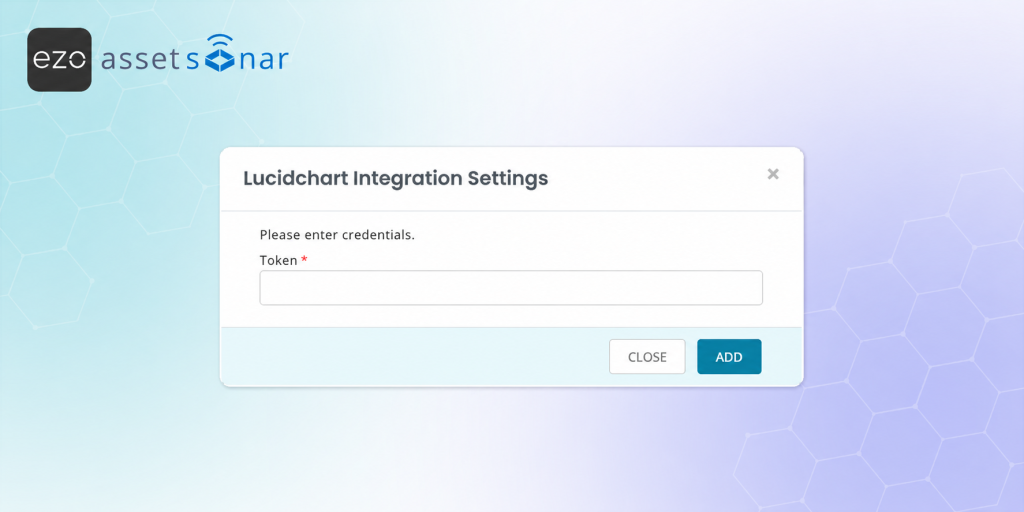
- In the Token field, paste the API key generated from Lucidchart.
- Click Add or Save Credentials.
After the credentials are saved, AssetSonar connects with Lucidchart and begins syncing supported user data.
Warning: Make sure the API key has the required Account → Admin permission. If the permission is missing or the API key is incorrect, AssetSonar may not be able to sync Lucidchart users.
3. Review the Synced Lucidchart Software Record
Once the integration is connected, AssetSonar creates a cloud software record for Lucidchart if one does not already exist.
To review the synced software:
- Go to Software → Software.
- Open the Lucidchart software record.
- Review the software details.
AssetSonar marks the synced software with:
- Discovery Type: Cloud Software
- Source: Lucidchart
Use this record to review the Lucidchart users synced through the integration and manage the software from your AssetSonar software catalog.
4. Review Synced Lucidchart Users
AssetSonar syncs Lucidchart users as cloud software members and matches users by email where possible.
To review associated users:
- Go to Software → Software.
- Open the Lucidchart software record.
- Go to the Associated Users tab.
- Review the synced users.
Synced user details can include:
- Member Email
- First Name
- Last Name
- Display Name
AssetSonar uses the synced user email as the primary match key when linking Lucidchart users with existing members in AssetSonar.
Note: Last activity or last login data may remain blank if the required Lucidchart audit log access is not available for your account.
5. Use Synced Users for License Entitlements
After Lucidchart users are synced, you can use them when managing the corresponding Lucidchart software license in AssetSonar.
To create or update a Lucidchart license:
- Go to Software → Software Licenses.
- Open an existing Lucidchart license or click Add Software License to create one.
- Select Lucidchart as the software, which is imported from the integration.
- Add the relevant license details, such as the number of seats, cost, renewal date, and billing information.
- Use the synced Lucidchart members to manage user entitlements.
When auto-entitlements are enabled for the Lucidchart license, AssetSonar can use the synced Lucidchart users to help assign users to the license.
Note: Lucidchart subscription details such as purchased seats, renewal dates, and pricing are not imported automatically. Add and maintain these details on the software license record in AssetSonar.
6. Sync Lucidchart Data Later
Use the integration sync when you need to refresh Lucidchart user information after the initial setup.
To review or refresh the integration:
- Go to Settings → Integrations → Direct SaaS Integrations.
- Open the Lucidchart integration.
- Review the connection status and latest sync information.
- Run a sync if the option is available.
This updates the Lucidchart software record and associated users based on the latest available data from Lucidchart.
The integration auto syncs regularly as well.
Ready to Track Lucidchart Users in AssetSonar?
With the Lucidchart integration, AssetSonar helps you bring Lucidchart user visibility into your software asset management workflow. You can review synced users, maintain license details, and use auto-entitlements to reduce manual license assignment work.
Need help setting up the Lucidchart API key or connecting the integration? Reach out to us at support@ezo.io — we’re happy to assist.

![[How-To] Track Tableau Online Licenses with AssetSonar Integration](https://cdn.ezo.io/wp-content/uploads/2026/07/06115823/Tableau-Integration.png)
![[How-To] Set Up AWS Cloud Integration in AssetSonar for Centralized Cloud Resource Visibility](https://cdn.ezo.io/wp-content/uploads/2026/06/11114541/AWS-Integration-Banner.png)
![[How-to] Enable Ping Identity Integration for Complete SaaS Visibility in AssetSonar](https://cdn.ezo.io/wp-content/uploads/2026/06/09102755/assetsonar_ping_identity_credentials_banner.webp)