







Meet the help desk that knows your IT from day one.

AssetSonar Features Hardware Asset Discovery

Hardware Asset Discovery & Tracking

Build an Accurate, Audit-Ready Hardware Inventory

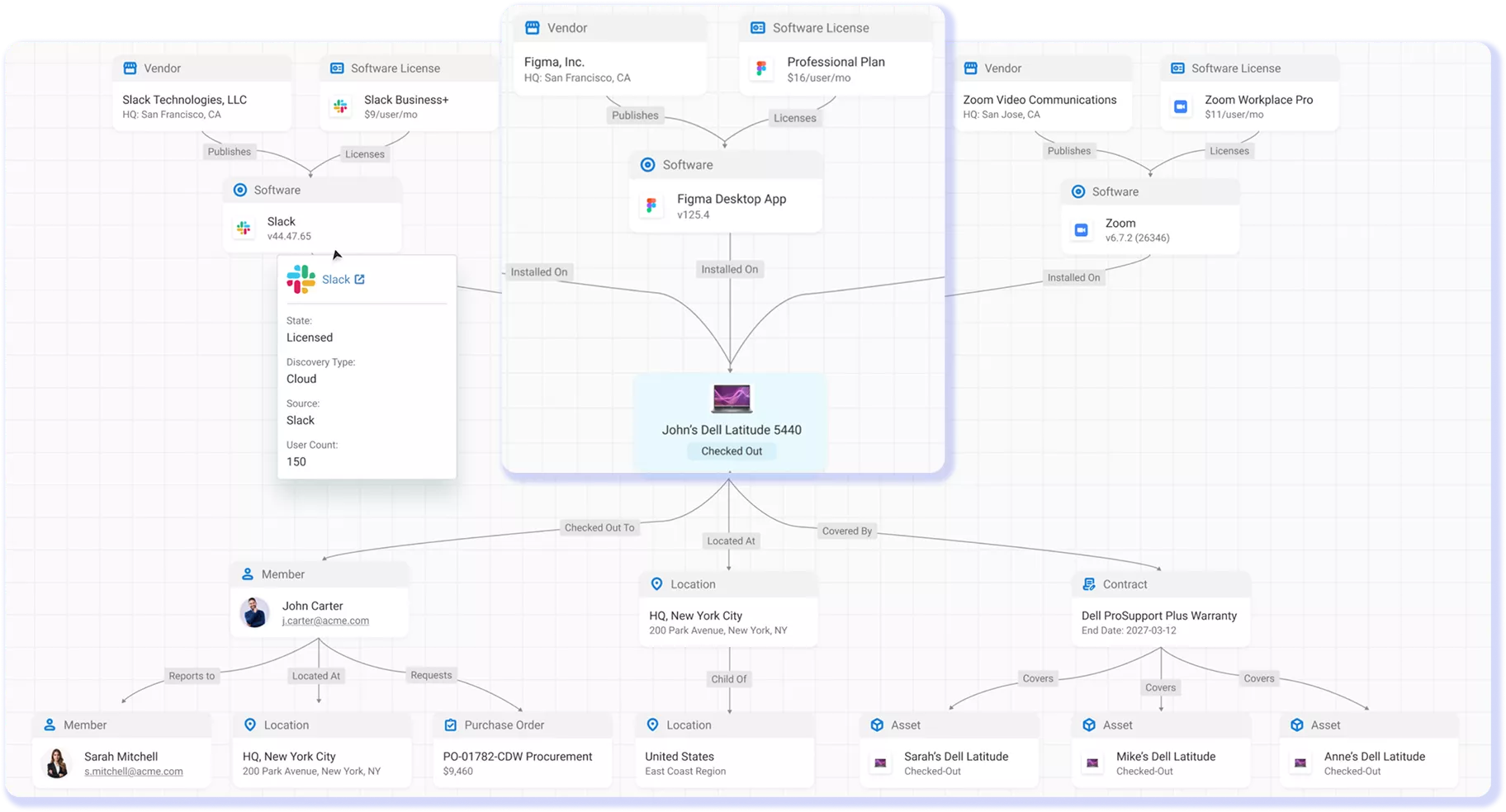
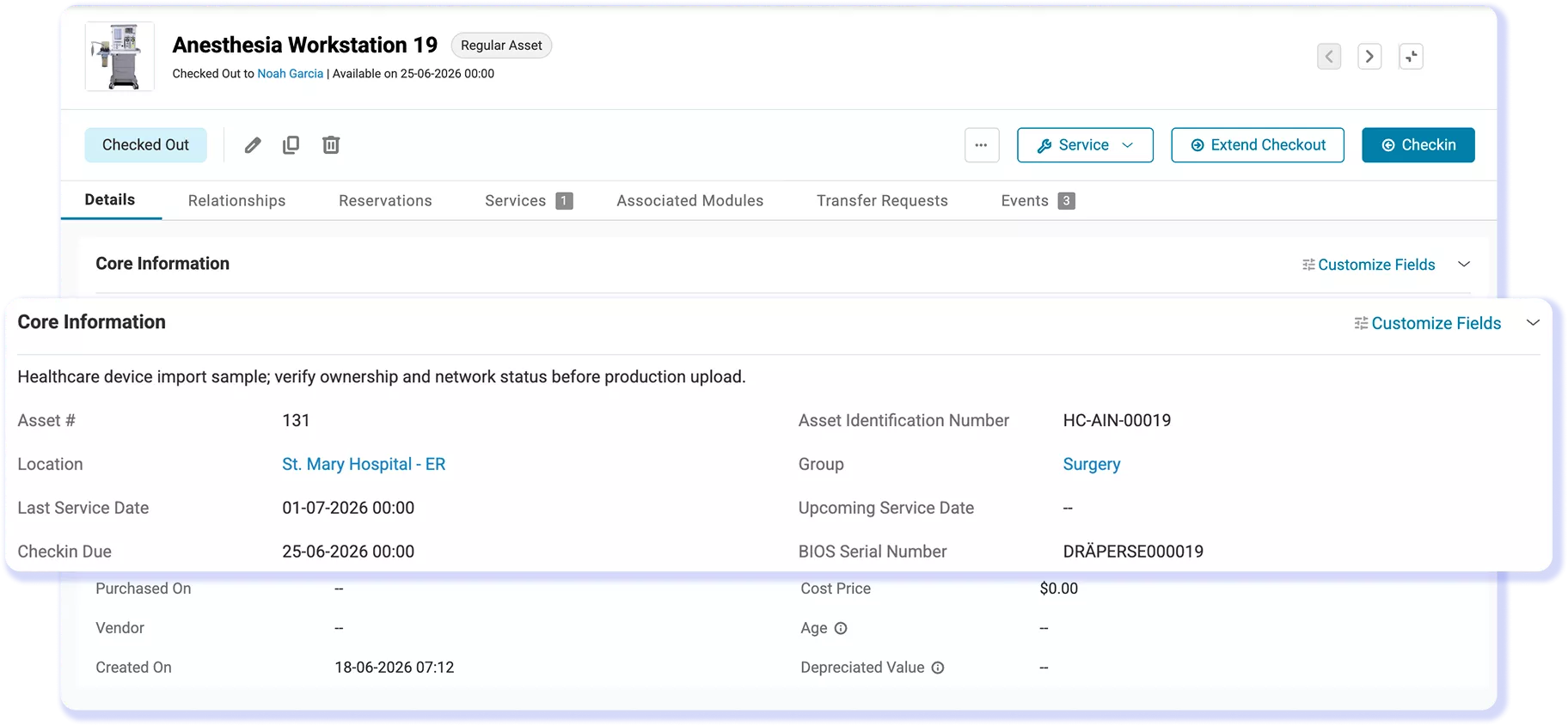
Gain a complete, current view of every device. AssetSonar discovers assets through the ITAM Agent, agentless network scans, and MDM integrations, then maps each in the IT Graph to its owner, location, warranty, and sync history.
Best Meets Requirements
AssetTracking HighPerformer Enterprise HighPerformer
best support-2026
Momentum-Leader.

No Credit Card Required

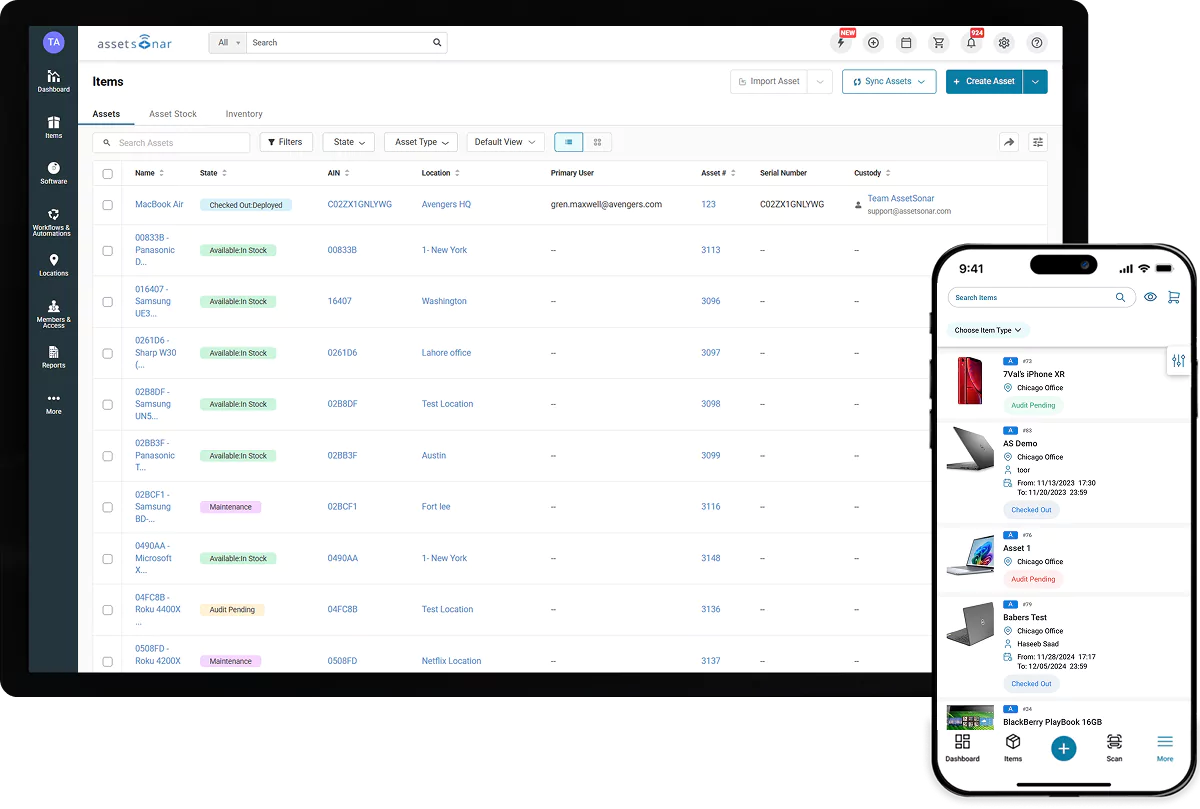
AssetSonar hardware inventory showing asset status, location, primary user, custody, and mobile tracking

Proven Impact Across IT Teams

90%

Automated Asset Discovery

30%

More Accurate Asset Data

Hourly

Automated Syncs

Everything You Need to Discover and Track Your Hardware

Discover Devices Automatically

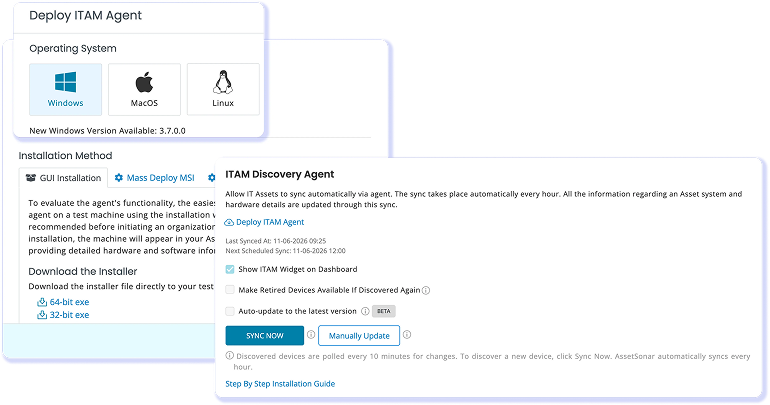
Find Windows, macOS, and Linux endpoints with the ITAM agent. Scan your network for servers, printers, switches, and other devices, without daily manual updates.

Reconcile Sources Into One Record

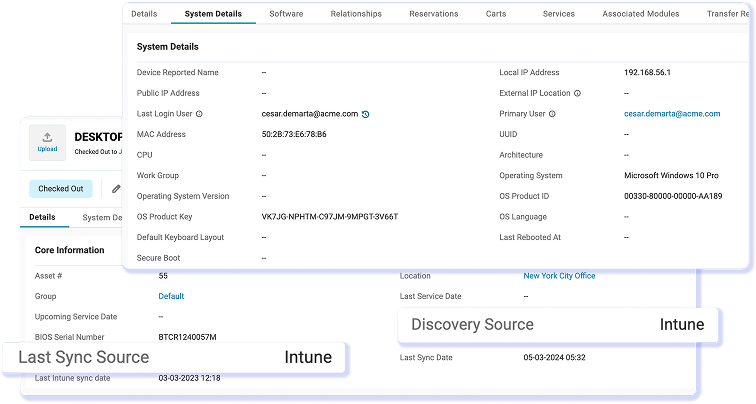
Match Agent, MDM, and network data by serial number, UDID, or custom rules. AssetSonar merges duplicates so each device has one accurate, current record as sources sync.

Catch Unknown & Unmanaged Devices

Compare devices found on your network with MDM enrollment data. Surface equipment that is unknown, unmanaged, or missing from the systems your team trusts right away.

Track Ownership, Location & Custody

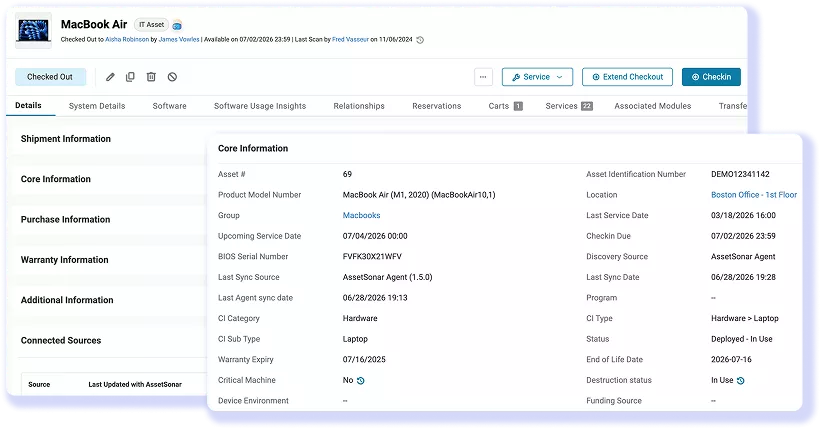
Connect every asset to a user, team, and location. Check devices in and out, verify custody, and keep assignment history current as they move from one site to another.

Track Assets With QR, Barcode & RFID

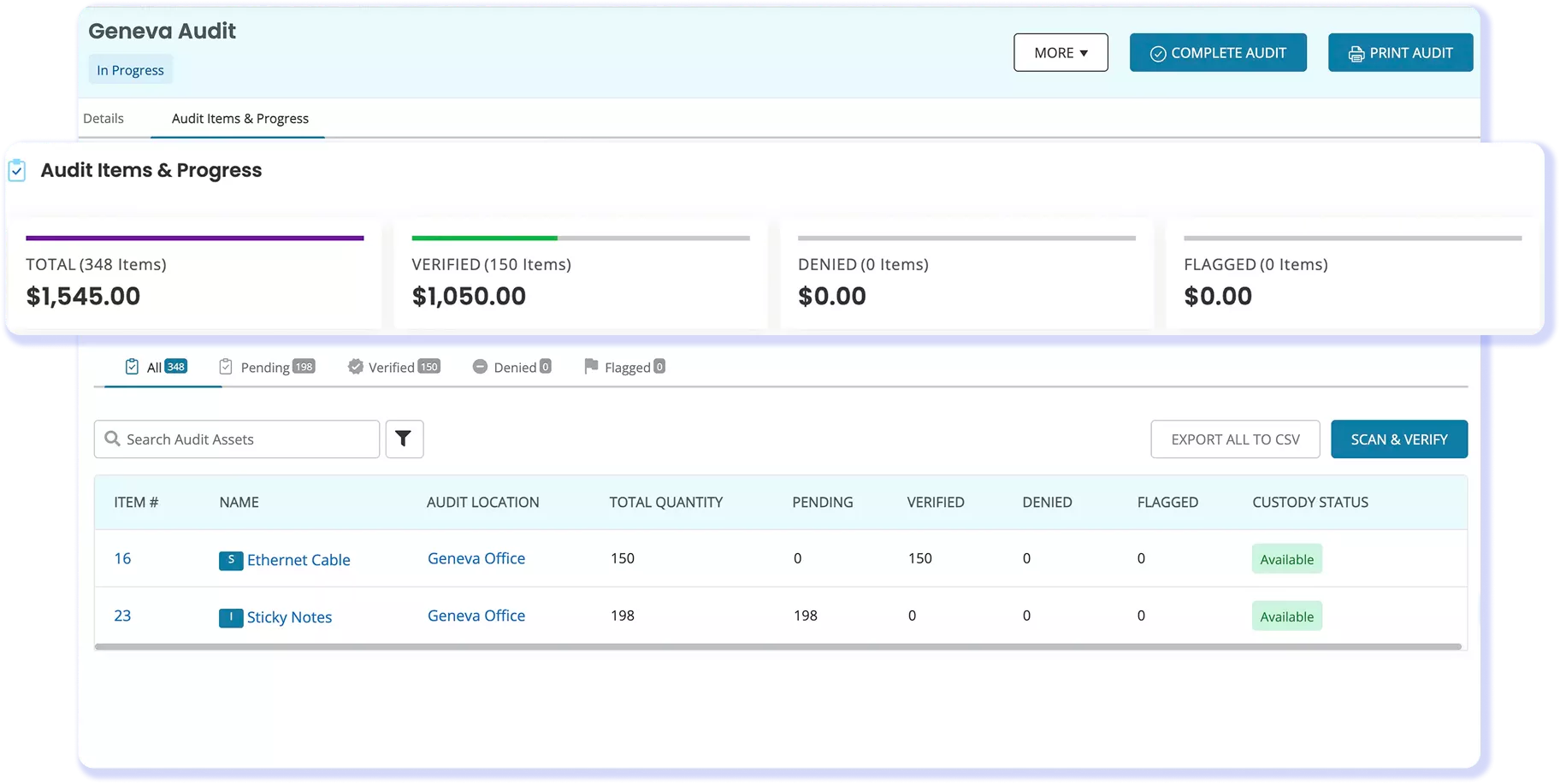
Use barcode, QR code, or RFID labels to identify equipment in the field. Scan devices during handoffs, inventory checks, and physical audits across offices and storerooms.

Keep Hardware Records Audit-Ready

Turn discovery data into dashboards, reports, and a traceable hardware register linked to owners, locations, warranties, and change history for faster, easier audits.

Trusted by High-Performing Teams

See Automated Hardware Discovery in Action

How AssetSonar Discovers & Tracks Hardware

Customer Testimonials

Discover Every Device. Trust Every Record.

Read More on Hardware Asset Discovery & Tracking

Frequently Asked Questions

AssetSonar should work alongside your mobile device management (MDM) platform, not replace it. MDM and endpoint management tools handle device configuration, encryption, security policies, remote wipe, and access restrictions. AssetSonar uses that device data for broader hardware asset management, including ownership, custody, lifecycle tracking, audit history, and reporting. Together, they provide device control and complete asset visibility.

Test whether the platform discovers the endpoint and network devices you expect, merges duplicates, retains ownership and location data, and refreshes records within your required interval. Include an MDM-enrolled device, a remote endpoint, and a network-only asset. Compare the results with your current inventory, then document missing devices, incomplete fields, duplicate records, and other exceptions before expanding the rollout.

AssetSonar can connect hardware data to an external configuration management database (CMDB) through a supported or custom integration, depending on the target system. Not every CMDB offers a native, bidirectional connector. Before implementation, confirm which system owns each field, what data will sync, the direction and frequency of synchronization, and how duplicate values, failed updates, and other conflicts will be handled.

Yes. Paying customers can use the AssetSonar API to retrieve and update assets, users, locations, and asset histories, as well as export custom reports. API access is disabled by default, secured with an authenticated token over HTTPS, and subject to fair-usage limits. Before implementation, confirm the required endpoints, fields, pagination, permissions, and export formats to ensure the integration supports your hardware data and portability needs.

AssetSonar hardware discovery typically takes about two weeks to implement, although timing varies based on asset volume, data quality, integrations, matching rules, and rollout scope. Teams can begin with users, locations, existing hardware records, and one discovery source, then add more systems, reports, and workflows in phases. AssetSonar matches discovered devices with existing records to reduce duplicates and maintain one consolidated hardware inventory.

Yes. Existing hardware records can be imported from spreadsheets and validated before automated discovery sources are connected. Plan the migration around required fields, record ownership, historical data, attachments, and duplicate handling. Use AssetSonar custom fields and duplicate-detection rules to standardize records, reduce inconsistencies, and prepare the inventory before completing the full import.

AssetSonar provides guided setup, managed implementation, a dedicated customer success contact, and access to knowledge base resources. Documentation covers the ITAM Agent, data imports, user roles, reports, and integrations. Support may also include training, response targets, escalation procedures, and service-level commitments, depending on the agreement. Confirm the channels and services included in your plan before implementation.

AssetSonar hardware discovery and tracking are included in the ITAM plan, currently priced at $1.00 per asset per month. Plans start at 100 assets, with volume discounts available for deployments of 1,000 assets or more. Final pricing may vary by billing term, contract scope, and additional modules. Buyers should confirm what qualifies as a billable asset and whether implementation, onboarding, and support services are included.

EZO maintains SOC 2 Type 2 compliance, ISO/IEC 27001 certification, and CSA STAR Level 1 registration. It also publishes GDPR-related commitments and a Data Processing Addendum. During security review, IT teams should verify the latest compliance reports, hosting arrangements, data residency and retention policies, subprocessors, access controls, and other requirements relevant to their organization.

Evaluate ROI by comparing annual subscription and implementation costs with measurable savings from automated workflows, duplicate cleanup, audit preparation, missing-device follow-up, lost hardware, and unnecessary purchases. Use your organization’s current costs and pilot results instead of relying on a universal savings estimate. Actual ROI will depend on adoption, data quality, and the consistency of your asset management processes.

Take Control of Every Device You Own

Discover devices, merge duplicates, and keep ownership, location, warranty, sync history, and changes connected in one accurate, audit-ready IT Graph.