AssetSonar vs Device42
Unify ITAM, SAM, and ITSM in One System Now
Connect devices, installed software, license seats, users, and service tickets through one IT Graph. IT managers can keep records up to date, resolve requests, and manage offboarding without first reconciling separate inventories.
Trusted by Teams Running Modern Operations






AssetSonar vs Device42: Head-to-head Comparison
Product Comparison

|
Table Header
|
||
|---|---|---|
|
Incident ticketing |
✔ |
❌ |
|
Service request fulfillment |
✔ |
❌ |
|
Knowledge and self-service |
✔ |
❌ |
|
SLA tracking and escalation |
✔ |
❌ |
|
Problem management |
✔ |
❌ |
|
Change management |
✔ |
⚠️ Change impact analysis only; separate ITSM tool required |
|
Asset context in tickets |
✔ |
❌ |
|
Native workflow automation |
✔ |
⚠️ APIs and webhooks |
|
ITSM reports and dashboards |
✔ |
⚠️ Insights+; not ITSM reporting |
|
CMDB and CI relationships mapping |
✔ Via ITSM plan |
✔ |
|
Asset lifecycle tracking |
✔ |
⚠️ Dated lifecycle event log. No staged lifecycle. |
|
Custody trail and history |
✔ |
⚠️ Lifecycle events and check-in/out history |
|
Custody and location audits |
✔ |
❌ |
|
Barcode, QR, and RFID |
✔ |
⚠️ Barcode and QR only |
|
Mobile asset audits |
✔ |
⚠️ Mobile web only |
|
Warranty and contracts |
✔ |
✔ |
|
Purchase and procurement |
✔ |
⚠️ Purchase and contract records. No purchase-order workflow |
|
Depreciation tracking |
✔ |
❌ |
|
Onboarding and offboarding |
✔ |
❌ |
|
Agent and agentless discovery |
✔ |
✔ |
|
Network discovery |
✔ |
✔ |
|
MDM and endpoint integrations |
✔ Intune, Jamf, Kandji + more |
✔ Intune, WS1, Automox + more |
|
IP address management |
❌ |
✔ |
|
Cloud infrastructure discovery |
✔ Microsoft Azure only |
✔ |
|
Hypervisor discovery |
❌ |
✔ |
|
Software discovery |
✔ Via Advanced SAM |
✔ |
|
License tracking and optimization |
✔ Via Advanced SAM |
⚠️ Via SLM add-on |
|
Software normalization |
✔ Via Advanced SAM |
✔ Via cloud-based EnrichAI |
|
SaaS discovery |
✔ Via Advanced SAM |
⚠️ Via IdP integrations only |
|
Shadow IT visibility |
✔ Via Advanced SAM |
❌ |
|
Native patch management |
✔ Via Advanced SAM |
❌ |
|
APIs and integrations |
✔ |
✔ |
|
Vendor-hosted cloud |
✔ AWS-hosted |
✔ |
|
Pricing model |
Per managed asset |
License-unit pricing |
|
Best fit |
Mid-market IT operations |
Infrastructure-led enterprises |
|
Table Header
|
|
|---|---|
|
Incident ticketing |
|
|
✔ |
❌ |
|
Service request fulfillment |
|
|
✔ |
❌ |
|
Knowledge and self-service |
|
|
✔ |
❌ |
|
SLA tracking and escalation |
|
|
✔ |
❌ |
|
Problem management |
|
|
✔ |
❌ |
|
Change management |
|
|
✔ |
⚠️ Change impact analysis only; separate ITSM tool required |
|
Asset context in tickets |
|
|
✔ |
❌ |
|
Native workflow automation |
|
|
✔ |
⚠️ APIs and webhooks |
|
ITSM reports and dashboards |
|
|
✔ |
⚠️ Insights+; not ITSM reporting |
|
CMDB and CI relationships mapping |
|
|
✔ Via ITSM plan |
✔ |
|
Asset lifecycle tracking |
|
|
✔ |
⚠️ Dated lifecycle event log. No staged lifecycle. |
|
Custody trail and history |
|
|
✔ |
⚠️ Lifecycle events and check-in/out history |
|
Custody and location audits |
|
|
✔ |
❌ |
|
Barcode, QR, and RFID |
|
|
✔ |
⚠️ Barcode and QR only |
|
Mobile asset audits |
|
|
✔ |
⚠️ Mobile web only |
|
Warranty and contracts |
|
|
✔ |
✔ |
|
Purchase and procurement |
|
|
✔ |
⚠️ Purchase and contract records. No purchase-order workflow |
|
Depreciation tracking |
|
|
✔ |
❌ |
|
Onboarding and offboarding |
|
|
✔ |
❌ |
|
Agent and agentless discovery |
|
|
✔ |
✔ |
|
Network discovery |
|
|
✔ |
✔ |
|
MDM and endpoint integrations |
|
|
✔ Intune, Jamf, Kandji + more |
✔ Intune, WS1, Automox + more |
|
IP address management |
|
|
❌ |
✔ |
|
Cloud infrastructure discovery |
|
|
✔ Microsoft Azure only |
✔ |
|
Hypervisor discovery |
|
|
❌ |
✔ |
|
Software discovery |
|
|
✔ Via Advanced SAM |
✔ |
|
License tracking and optimization |
|
|
✔ Via Advanced SAM |
⚠️ Via SLM add-on |
|
Software normalization |
|
|
✔ Via Advanced SAM |
✔ Via cloud-based EnrichAI |
|
SaaS discovery |
|
|
✔ Via Advanced SAM |
⚠️ Via IdP integrations only |
|
Shadow IT visibility |
|
|
✔ Via Advanced SAM |
❌ |
|
Native patch management |
|
|
✔ Via Advanced SAM |
❌ |
|
APIs and integrations |
|
|
✔ |
✔ |
|
Vendor-hosted cloud |
|
|
✔ AWS-hosted |
✔ |
|
Pricing model |
|
|
Per managed asset |
License-unit pricing |
|
Best fit |
|
|
Mid-market IT operations |
Infrastructure-led enterprises |
Legend:
✔ = Explicitly offered
❌ = Not offered or documented
⚠️ = Supported, but narrower in scope or subject to tier/add-on gating

Why AssetSonar?
Discovery shows what exists. Operations determine whether it stays useful. AssetSonar connects ITAM, SAM, ITSM, CMDB, and automation through one IT Graph, so devices, users, software, licenses, and tickets move through the same system. IT teams use configuration data to manage ownership, service, spend, and risk.
Every checkout, resolved ticket, reclaimed license, and completed workflow updates the record behind the next decision. This keeps the CMDB aligned with the employee IT estate, reduces audit preparation, and gives onboarding and offboarding teams updated records. Zoe, AI Copilot, saves time by summarizing tickets, categorizing requests, populating fields, and surfacing knowledge.
What We Bring to the Table
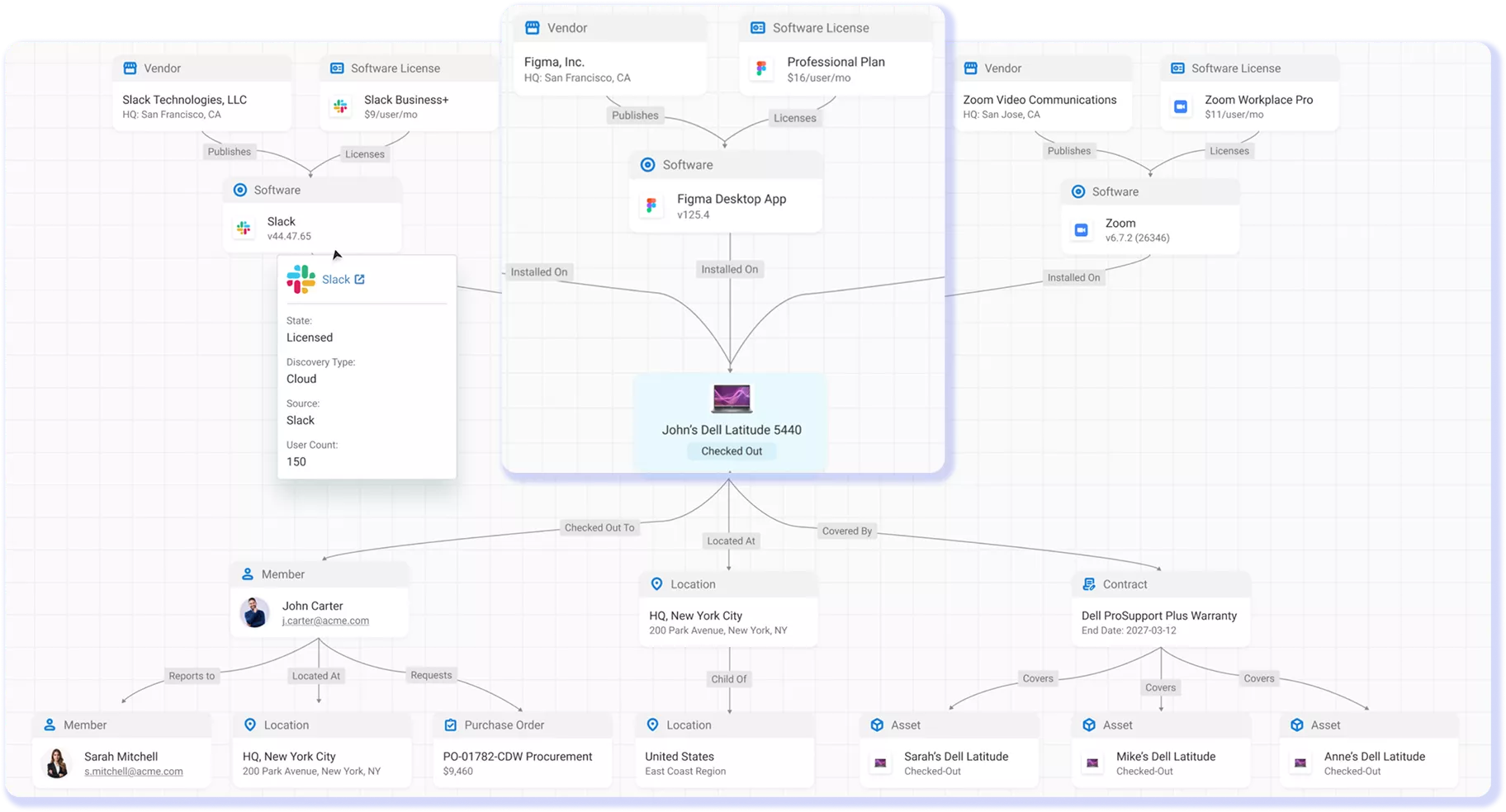
Manage Your Employee IT Estate
AssetSonar connects employees with assigned devices, software, license seats, custody history, and support tickets through one IT Graph. IT teams manage equipment from procurement and assignment through service, recovery, and retirement. Each action updates the record, keeping ownership and asset context current.
Device42 focuses on infrastructure discovery. It maps devices and dependencies across data centers, networks, clouds, hypervisors, storage, and mainframes. It can record an end user for a checked-out device, but does not document comparable custody verification, onboarding, or offboarding workflows.
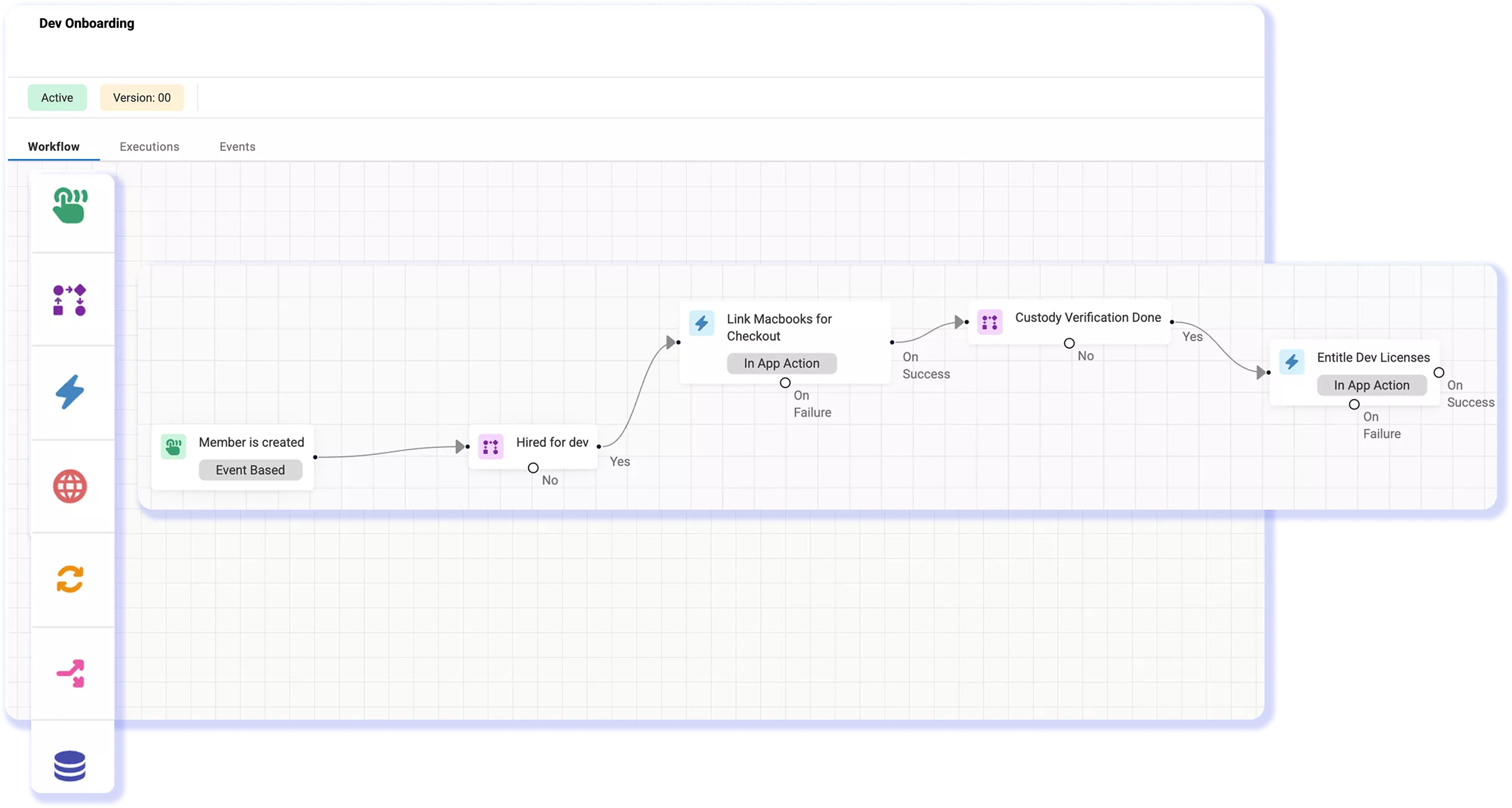
Unify IT Management in One Contract
AssetSonar combines ITAM, SAM, CMDB, and native ITSM in one platform. IT teams manage assets, incidents, requests, changes, SLAs, and service-catalog workflows from connected records. Per-asset pricing includes unlimited agents, avoiding added per-agent costs as IT teams grow.
Device42 provides strong CMDB and infrastructure discovery, but its own capability set has no native service desk. It can integrate with Freshservice and other ITSM tools. Freshservice is a separate product with its own subscription, so using both means maintaining a second contract and keeping the integration up to date. AssetSonar suits teams that want asset and service workflows in one place.
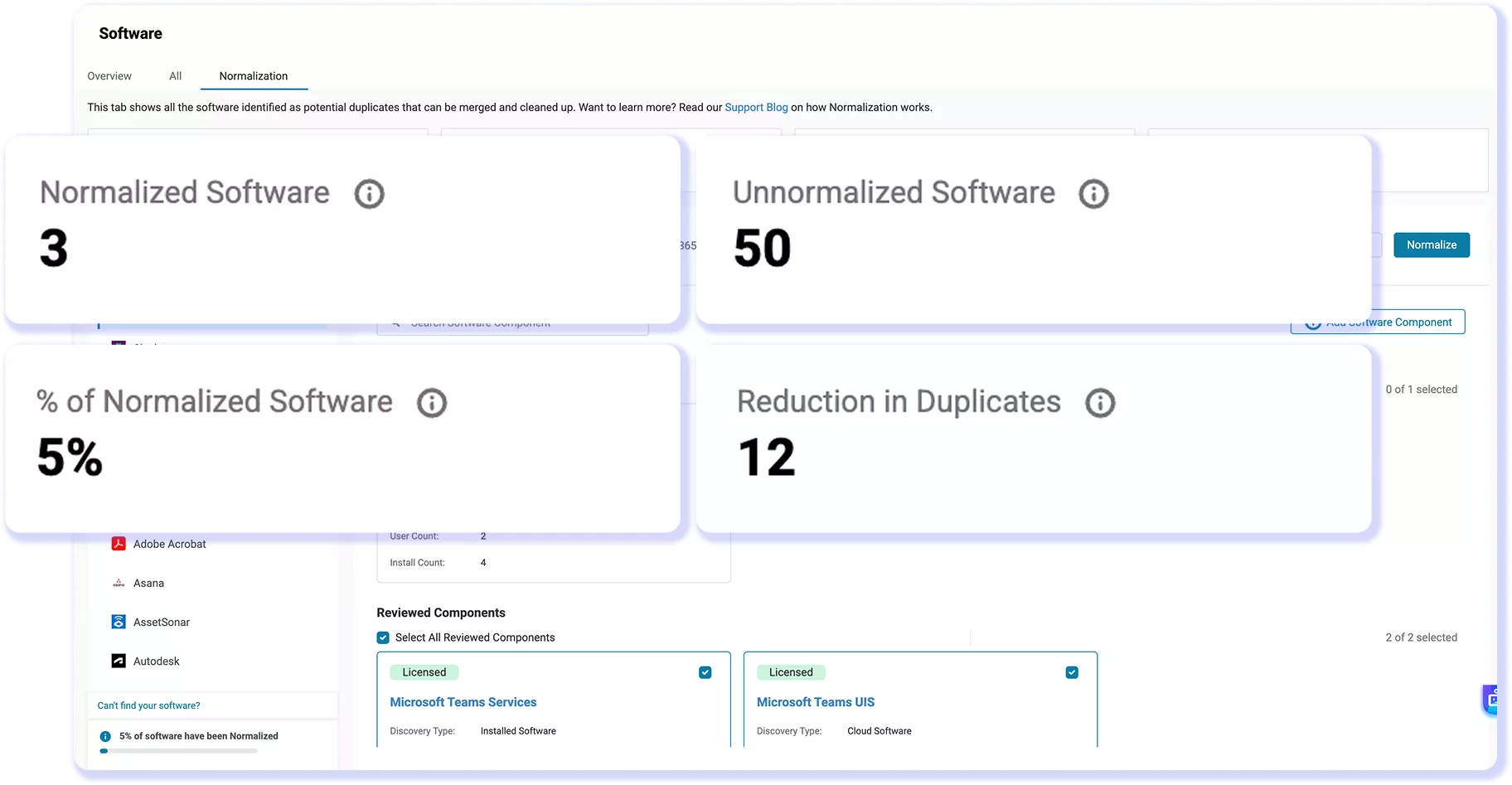
Turn License Findings Into Action
AssetSonar’s Advanced SAM add-on discovers and normalizes software, compares installations with licenses, and identifies inactive seats. IT teams can reclaim or reassign eligible SaaS licenses from connected user, device, and ticket records. Browser and endpoint discovery also help reveal unauthorized applications.
Device42 offers software discovery and uses EnrichAI to normalize records and add lifecycle details. Its Software License Management module compares installations with purchased counts and identifies underused licenses. However, it is licensed separately, SaaS discovery is limited to identity-provider data, and no native seat-reclamation action is documented.
Customer Testimonials


Proven by Users, Recognized by G2



Manage Assets and IT Services Together
Frequently Asked Questions
AssetSonar includes native IT service management, so IT teams can create tickets, route requests, apply service-level agreements, use a self-service portal, and connect each issue to the relevant user, device, software, or license record. Device42 can enrich external service desks with discovered configuration items, dependency context, impact data, APIs, and webhooks, but it does not provide an equivalent native service desk. Buyers typically pair it with a separate ITSM platform.
AssetSonar provides agent-based and agentless discovery, asset records, configuration relationships, and dependency mapping and impact analysis for complex IT environments. It is not a direct, like-for-like substitute for Device42’s deeper data center and network coverage. Device42 supports IP address management, switch discovery, hypervisors, storage arrays, mainframes, and application dependency mapping, making it the stronger choice for infrastructure-centric estates.
AssetSonar offers Windows, Linux, and macOS patch management through its Advanced Software Asset Management package. IT teams can identify missing updates, define deployment policies, schedule patches, monitor status, and connect remediation with software and device records. Device42 can discover software and provide inventory or vulnerability context, but it does not natively deploy operating-system or application patches. Remediation passes to an integrated endpoint, security, or service-management tool.
Both products support CMDB use cases, but their emphasis differs. Device42 provides an infrastructure-focused CMDB with broad discovery and application dependency mapping, although some capabilities may be licensed separately. AssetSonar provides CMDB and relationship mapping through its ITSM plan, connecting devices, software, users, licenses, and tickets. Device42 offers deeper infrastructure context, while AssetSonar centers CMDB data around asset and service workflows. AssetSonar does not currently offer a native ServiceNow connector.
AssetSonar supports employee offboarding as an operational workflow: IT teams can identify assets and software assigned to a departing user, initiate returns, update custody, reclaim license seats, and keep service activity tied to the same records. Device42 can supply configuration and dependency context for discovered assets, but it does not provide a comparable native employee offboarding workflow. Organizations using Device42 usually coordinate those steps through HR, ITSM, or endpoint tools.
