AssetSonar vs Lansweeper
Move From Asset Visibility to IT Control
Trusted by Teams Running Modern Operations






AssetSonar vs Lansweeper: Head-to-head comparison
Product Comparison

Lansweeper
|
Table Header
|
||
|---|---|---|
|
Incident + Request Management (Ticketing) |
✔ |
⚠️ Basic help desk only |
|
Service Catalog with custom request forms |
✔ |
❌ |
|
Knowledge Base |
✔ |
❌ |
|
SLA Tracking + Escalations |
✔ |
❌ |
|
Approval Workflows in Service Requests |
✔ |
❌ |
|
Change Management |
✔ |
❌ |
|
Hardware Asset Discovery (agent + agentless) |
✔ |
✔ |
|
Asset Lifecycle Tracking |
✔ |
⚠️ Tracks status/end-of-life workflow only |
|
QR/Barcode-based tracking |
✔ |
⚠️ On-prem only |
|
RFID Asset Tracking |
✔ |
❌ |
|
Scheduled Returns & Reservations |
✔ |
❌ |
|
Recurring Reservations |
✔ |
❌ |
|
Item Availability Calendar |
✔ |
❌ |
|
Depreciation Tracking |
✔ |
❌ |
|
Location Hierarchy / Nested Locations |
✔ |
⚠️ |
|
CMDB / CI Relationships |
✔ |
⚠️ |
|
Software Discovery & Inventory (on-prem) |
✔ |
✔ |
|
Software Normalization |
✔ |
⚠️ |
|
Browser URL Tracking for SaaS Usage |
✔ |
❌ |
|
SaaS Discovery (cloud app tracking) |
✔ |
❌ |
|
Shadow IT Visibility |
✔ |
⚠️ |
|
License Tracking & Compliance |
✔ |
⚠️ |
|
License Usage Optimization & Reclamation |
✔ |
⚠️ Basic |
|
SaaS Integrations (M365, Adobe, Slack, Zoom, etc.) |
✔ |
❌ |
|
Vulnerability Detection (NIST/CVE cross-reference) |
✔ |
⚠️ Pro tier only |
|
Automated Employee Onboarding/Offboarding Workflows |
✔ |
❌ |
|
Workflow Automation Engine (ITAM + ITSM native) |
✔ |
⚠️ |
|
Zoe AI Copilot (Smart Diagnosis, Field Suggestions, Assignments) |
✔ |
❌ |
|
MDM Integrations |
✔ |
✔ |
|
Mobile App (iOS / Android) |
✔ |
⚠️ |
|
Reporting & Custom Dashboards |
✔ |
✔ |
|
Cloud Deployment |
✔ |
✔ |
|
On-Premises Deployment |
✔ |
✔ |
|
SOC 2 / ISO 27001 Audit-Readiness Reporting |
✔ |
❌ |
|
Free Trial |
✔ |
✔ |
|
Dedicated CSM from Go-Live (Anti-Abandonment Promise) |
✔ |
⚠️ Enterprise tier only |
|
Asset-Based Pricing with Unlimited Agents |
✔ |
✔ |
|
Purpose-Built for IT Teams |
✔ |
✔ |
|
Table Header
|
|
|---|---|
|
Incident + Request Management (Ticketing) |
|
|
✔ |
⚠️ Basic help desk only |
|
Service Catalog with custom request forms |
|
|
✔ |
❌ |
|
Knowledge Base |
|
|
✔ |
❌ |
|
SLA Tracking + Escalations |
|
|
✔ |
❌ |
|
Approval Workflows in Service Requests |
|
|
✔ |
❌ |
|
Change Management |
|
|
✔ |
❌ |
|
Hardware Asset Discovery (agent + agentless) |
|
|
✔ |
✔ |
|
Asset Lifecycle Tracking |
|
|
✔ |
⚠️ Tracks status/end-of-life workflow only |
|
QR/Barcode-based tracking |
|
|
✔ |
⚠️ On-prem only |
|
RFID Asset Tracking |
|
|
✔ |
❌ |
|
Scheduled Returns & Reservations |
|
|
✔ |
❌ |
|
Recurring Reservations |
|
|
✔ |
❌ |
|
Item Availability Calendar |
|
|
✔ |
❌ |
|
Depreciation Tracking |
|
|
✔ |
❌ |
|
Location Hierarchy / Nested Locations |
|
|
✔ |
⚠️ |
|
CMDB / CI Relationships |
|
|
✔ |
⚠️ |
|
Software Discovery & Inventory (on-prem) |
|
|
✔ |
✔ |
|
Software Normalization |
|
|
✔ |
⚠️ |
|
Browser URL Tracking for SaaS Usage |
|
|
✔ |
❌ |
|
SaaS Discovery (cloud app tracking) |
|
|
✔ |
❌ |
|
Shadow IT Visibility |
|
|
✔ |
⚠️ |
|
License Tracking & Compliance |
|
|
✔ |
⚠️ |
|
License Usage Optimization & Reclamation |
|
|
✔ |
⚠️ Basic |
|
SaaS Integrations (M365, Adobe, Slack, Zoom, etc.) |
|
|
✔ |
❌ |
|
Vulnerability Detection (NIST/CVE cross-reference) |
|
|
✔ |
⚠️ Pro tier only |
|
Automated Employee Onboarding/Offboarding Workflows |
|
|
✔ |
❌ |
|
Workflow Automation Engine (ITAM + ITSM native) |
|
|
✔ |
⚠️ |
|
Zoe AI Copilot (Smart Diagnosis, Field Suggestions, Assignments) |
|
|
✔ |
❌ |
|
MDM Integrations |
|
|
✔ |
✔ |
|
Mobile App (iOS / Android) |
|
|
✔ |
⚠️ |
|
Reporting & Custom Dashboards |
|
|
✔ |
✔ |
|
Cloud Deployment |
|
|
✔ |
✔ |
|
On-Premises Deployment |
|
|
✔ |
✔ |
|
SOC 2 / ISO 27001 Audit-Readiness Reporting |
|
|
✔ |
❌ |
|
Free Trial |
|
|
✔ |
✔ |
|
Dedicated CSM from Go-Live (Anti-Abandonment Promise) |
|
|
✔ |
⚠️ Enterprise tier only |
|
Asset-Based Pricing with Unlimited Agents |
|
|
✔ |
✔ |
|
Purpose-Built for IT Teams |
|
|
✔ |
✔ |
Legend:
✔ = Explicitly offered
❌ = Not offered or documented
⚠️ = Supported, but narrower in scope or subject to tier/add-on gating

Why AssetSonar?
Ready to move beyond basic asset discovery and manage real IT workflows? AssetSonar not only shows what exists in the IT environment. It helps manage them.
Lansweeper excels at discovery, but AssetSonar turns visibility into action. Asset data flows into hardware and software lifecycle management, ITSM workflows, native patch deployment, license governance, automation, and Zoe AI diagnostics, enabling teams to manage IT operations from a single unified platform.
What We Bring to the Table

Unify Context Across IT Environments
Discovery is useful. Operational context is better. AssetSonar gives IT teams more than a static view of devices, software, and users. It connects asset discovery to the work that follows, so every record becomes part of a larger operational system instead of sitting as isolated inventory data.
With AssetSonar’s IT Graph, assets, software, users, contracts, tickets, and CIs are linked in one shared view. Every workflow runs on the same real-time context. Tickets can carry asset details, patch work can reference affected devices, and automations can trigger lifecycle actions, giving teams the operational control that Lansweeper does not natively provide.

Close the Offboarding Loop
AssetSonar helps IT teams turn offboarding into a tracked, automated, and accounted workflow. Devices, software access, licenses, returns, and recovery tasks remain tied to the correct employee and asset records from day one to the last.
Lansweeper can show which assets are linked to users, but the next steps often sit outside the platform. Provisioning, access reviews, device reclamation, and license recovery can still depend on manual checks or separate tools.
AssetSonar closes that gap. Its Workflow Automation Engine triggers the right actions when employees join, move, or leave, so IT can assign, recover, and verify employee tech without losing control between teams.
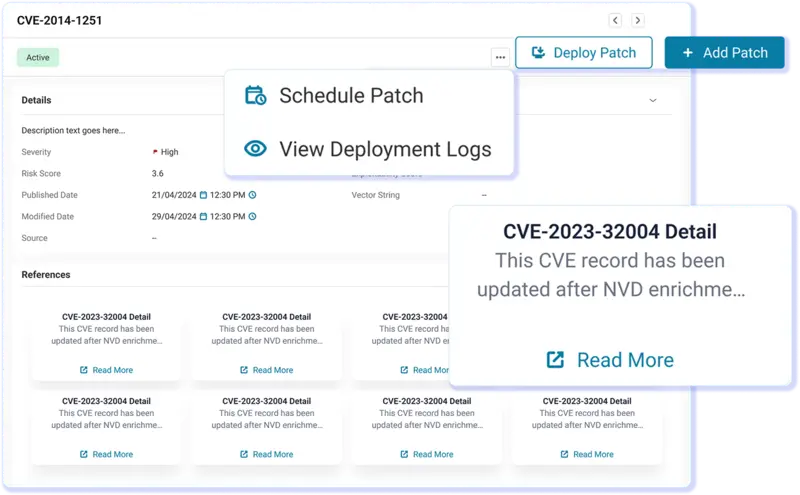
Turn Vulnerability Alerts into Permanent Fixes
Finding a vulnerability is only useful if your team can fix it fast. AssetSonar helps IT teams move from detection to remediation by scheduling patches, deploying updates, tracking progress, and tying every action back to the affected asset record.
Lansweeper is useful for identifying vulnerable assets through NIST-based vulnerability data. But risks without a separate remediation path delay patching of affected devices and the coordination of fixes.
Close that operational gap with AssetSonar’s native patch management. Detect vulnerable software, schedule patches, deploy updates across endpoints, track remediation status, and keep every fix connected to the asset record.
Customer Testimonials


Proven by users, Recognized by G2





Go Beyond Discovery. Run IT With Control.
Frequently Asked Questions
Lansweeper is a strong Technology Asset Intelligence platform, especially for scanning and inventorying IT, OT, IoT, and cloud assets through agentless discovery.
AssetSonar goes further. It gives IT teams a full management layer to act on what they discover: hardware asset lifecycle management, ITIL-aligned ITSM, native patch deployment, software asset management, SaaS governance, and workflow automation, all powered by the IT Graph. So if your goal is broad asset discovery, Lansweeper is a strong fit. But if your team needs to discover assets, resolve tickets, deploy patches, govern software, automate workflows, and manage IT operations from a single connected platform, AssetSonar stands out as the more comprehensive choice.
Lansweeper’s ITSM enriches tickets in third-party tools (ServiceNow, Freshservice, Jira) with up-to-date asset data. AssetSonar takes a fundamentally different approach: ITSM is built natively on its ITAM functionalities, so every ticket already has full asset context from the moment it’s created; no enrichment integration required. When a ticket is raised, the affected device, its patch status, installed software, and ownership history are already there. If you’re using Lansweeper to enrich a third-party service desk, AssetSonar replaces both tools.
AssetSonar is built for IT teams who need a single platform to manage hardware assets, software licenses, and cloud applications. It helps teams track devices, users, software installations, SaaS usage, license assignments, renewals, and compliance from a unified IT Graph. Instead of using separate tools for hardware tracking, SAM, and cloud license governance, AssetSonar integrates asset data with software ownership, service workflows, and lifecycle actions, enabling IT to manage the entire environment from a single platform.
Lansweeper is strong for broad asset discovery across IT, OT, IoT, and cloud environments. It helps teams identify what is connected to the network and build a detailed inventory of devices and software.
AssetSonar goes further by connecting discovery to software governance, SaaS visibility, license tracking, and audit-ready workflows. It helps IT teams detect shadow IT, track software and cloud app usage, manage licenses, and take action from the same platform. For teams preparing for a security audit, AssetSonar is the stronger fit because it goes beyond finding assets. It helps govern, remediate, and document what happens next.
Lansweeper does not publicly document an AI operational copilot. Its Technology Asset Intelligence positioning is centered on insights from discovery data, dashboards, reports, vulnerability references, and asset intelligence. That helps teams understand their environment, but the intelligence remains largely analytical.
AssetSonar’s Zoe is built to help IT teams act across the full IT management lifecycle. It runs on the IT Graph, so it can use connected data from assets, users, software, tickets, licenses, contracts, and workflows. Zoe supports ITSM with Smart Diagnosis, Smart Field Suggestions, Smart Ticket Assignments, and AI-assisted replies, but its value extends beyond tickets.
It can also support broader IT operations by helping teams interpret asset context, surface software and license issues, identify workflow gaps, and make faster decisions across ITAM, SAM, patching, onboarding, offboarding, and service delivery. The difference is passive intelligence versus active AI assistance: Lansweeper helps teams analyze what they have (without AI), while AssetSonar helps teams decide what to do next.
Yes. AssetSonar can help IT teams scale beyond discovery by providing a single platform to manage the work that follows. Lansweeper scales well for asset discovery, especially across large IT, OT, IoT, and cloud environments. It helps teams build a strong inventory of what exists across the network.
AssetSonar is stronger for operational scaling. As the environment grows, teams can manage hardware lifecycles, software licenses, SaaS usage, service requests, patching, onboarding, offboarding, and workflow automation from the same platform. Instead of adding separate tools for ITSM, SAM, patching, and offboarding tasks, AssetSonar keeps the work connected through the IT Graph. For teams that need to scale IT operations without adding more tools, AssetSonar is the more comprehensive choice.
Yes. AssetSonar is built for IT teams managing hybrid environments where assets are spread across offices, remote teams, cloud platforms, and endpoint management systems. It helps teams track on-prem hardware, employee devices, software installations, cloud assets, SaaS applications, licenses, users, and ownership history from a single connected platform.
AssetSonar’s IT Graph brings this data together so IT teams can see how assets, users, software, contracts, tickets, and workflows are connected. This makes it easier to manage lifecycle actions, detect gaps, govern licenses, and maintain accurate hybrid IT environments without relying on separate tools for tracking in the cloud and on-prem.
Yes. AssetSonar’s Workflow Automation Engine natively automates employee onboarding and offboarding: device check-out, software license assignment, access logging, device reclamation, license reclamation, and SaaS access revocation, all within the same system as ITAM and ITSM.
Lansweeper does not publicly document native onboarding or offboarding workflow automation. Because it is a discovery and inventory platform, the operational workflows around employee tech lifecycle require external tools.
