Executive Summary
Hoffmaster grew by acquisition. Multiple businesses became one company with a single IT department, but without a single system underneath it. Business units bought their own software, licenses were checked one vendor portal at a time, and the only company-wide record was a spreadsheet of vendor names and annual costs.
The Leadership at Hoffmaster gave IT a goal to reduce software costs by $200,000, but without a clear view of where its estimated $3.3 million in annual software spend was going, the first step naturally became to build full visibility. In under a year, Sr. IT Support Specialist, Kevin Anderson, and his team consolidated licensing, cost, and installed-software data with AssetSonar. The company now has a live and verifiable source of truth for its entire software stack and their associated licenses.
“If I had to do this all manually, I’d probably still be working and not even close to halfway finished.” Kevin Anderson, Sr. IT Support Specialist, Hoffmaster
Company Overview
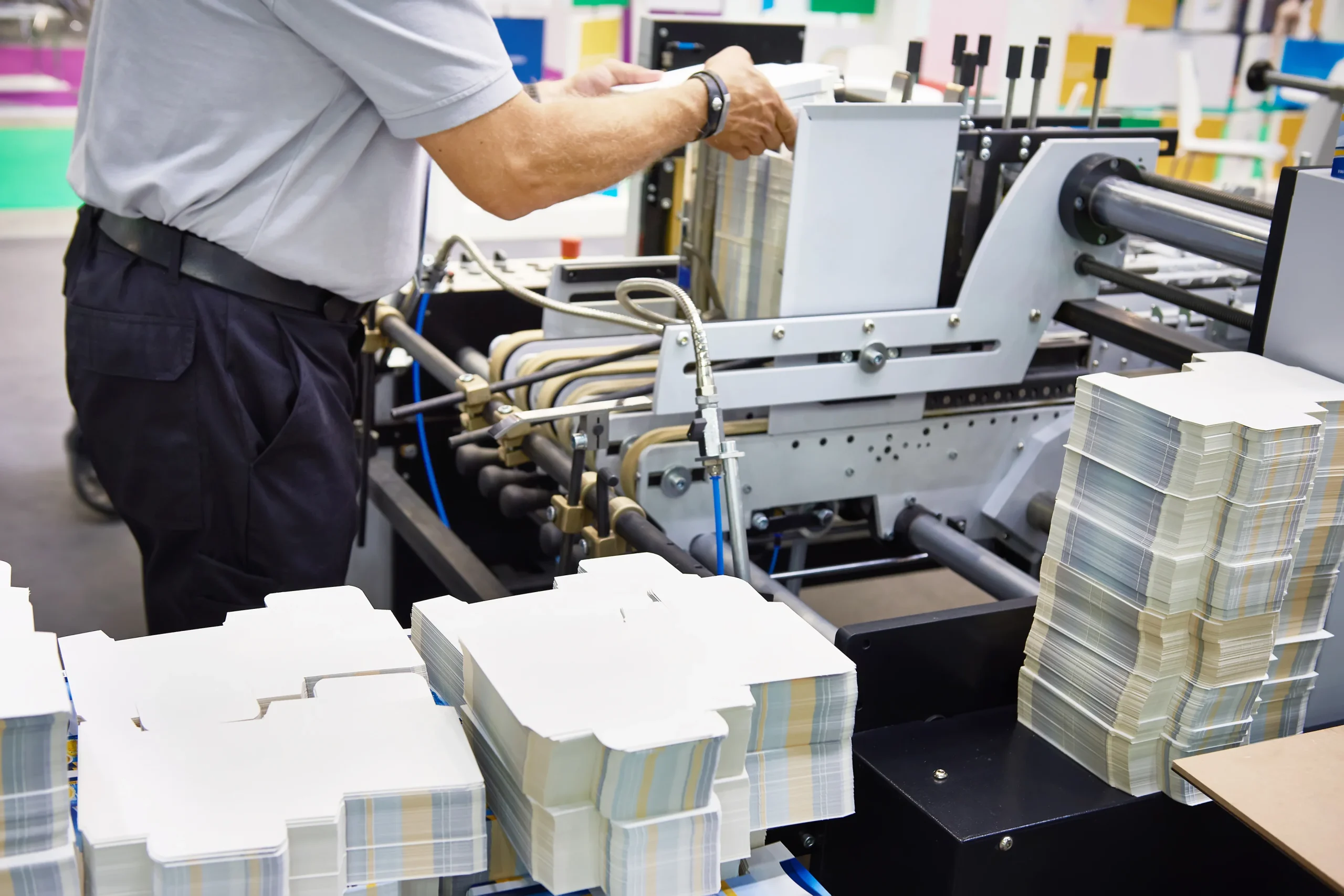
Hoffmaster is a premier manufacturer of single-use tableware, napkins, and disposable products for the foodservice, hospitality, and consumer industries. The company operates across multiple sites in two countries and supports around 600 daily computer users. It grew through acquisition and, until recently, ran what had been separate businesses under one IT department.
The IT team is small relative to the estate it carries. Kevin Anderson, Sr. IT Support Specialist, joined four years ago and today owns endpoint management and asset management alongside help desk and onsite support. Making software spend visible was never going to happen by adding people to the problem, so it had to happen through the system Hoffmaster used to manage its assets.
The challenge: visible spend for invisible software licenses
During the 2025 budgeting cycle, Hoffmaster set a target for FY2026: reduce software costs by $200,000. But Hoffmaster’s visibility into its software estate had two big gaps.
First, the record itself was fragmented. The team tracked software spend in a basic spreadsheet that included only the vendor name, annual cost, and expected spend. Licensing information remained spread across individual vendor systems.
“We didn’t have a single place to look at all of the licensing.”
Second, purchasing had never been centralized. Business units bought their own software, and IT often learned what existed only when something stopped working. Acquisitions compounded both problems, because the same tools arrived several times over inside the businesses Hoffmaster had brought in.
“We had duplicated software, but we had no real way to track it.”
Unused seats were just as hard to prove. In Kevin’s experience, the vendor portals would not show whether a seat was actually being used, which left asking people directly, a method with a known failure mode.
“If you ask somebody if they’re using software, they’re like, ‘oh yeah, I use it all the time.’ But the truth is they haven’t touched it in six months.”
The solution: consolidate software data to identify cost-saving opportunities
Kevin’s rollout was sequential and unglamorous.
Step 1: Load the existing data in and connect the integrations
Kevin started with the records Hoffmaster already had, then connected SaaS and licensing integrations so that cost and entitlement data flowed in from the vendors directly instead of being pulled and keyed in by hand. Installed software was brought in the same way and matched to the licenses that covered it, which gave him a first view of who was actively using what.
“Being able to directly pull the data, some of the costing data out of it automated, was super quick.”

The rollout was not frictionless. Some agents initially sent too much data and stalled, which has largely been resolved, and a Zoom integration first pulled only one license type where Hoffmaster uses several, which was resolved within a couple of weeks, with help from AssetSonar support.
“The team there has been fantastic in fixing it.”
Step 2: Discover what is actually installed, and normalize it
The AssetSonar ITAM Agent automatically reports software installed on each device. Software normalization then reconciles every installed variant of a software across all devices, under a single title which builds a clean software inventory.,Without it, every machine running a slightly older build shows up as a separate version of the same application, so a simple question about who has a given tool turns into an exercise in merging lists. With software normalization in AssetSonar, Kevin finally had an accurate and live inventory of the company’s software, each with tied to their install counts, usage, and cost.
“I don’t particularly care if it’s the latest update or two updates behind. I just need to know who has Zoom.”
Step 3: Work the license data for unused and unentitled seats
With cost, entitlement, and usage data in one place, Kevin uses License Optimizer to find the seats Hoffmaster is paying for but nobody is using, along with software installed without an entitlement behind it. The review that used to require several exports is now a page he can scan.
“Within a minute or two, I can see what’s there, what’s being used, what’s not being used.”
The impact:
The real challenge faced by Hoffmaster’s IT was not lack of data; it was having updated, clean, and accurate data the team could see well enough to make decisions. With AssetSonar, the team built a live source of truth system that answers questions about the company’s software stack: what licenses was the company was paying for, who was using license seats, and what software were duplicated across the acquired businesses.
“That visibility has probably been the biggest thing for us.”
Hoffmaster now runs software and hardware asset management from one system instead of a spreadsheet and a set of vendor portals. Licensing, cost, and installed-software data sit together, and reporting that used to be assembled by hand is a live view the team opens on demand.
‣ 4x reduction in manual effort to analyze and report license data
Reporting on licensing used to be a recurring assembly job that only Kevin could do which involved downloading multiple reports, combing through them one by one, consolidating them into a single report, and getting interrupted multiple times in the process. The same view is now live in AssetSonar, reflecting ~90% of the company’s software spend (save for some niche tools running on a private stack), and open to everyone on the team who needs it, so the work of producing it has gone rather than moved. Work that used to mean pulling from multiple disconnected systems and reconciling the results by hand is now done automatically in one place, an improvement Kevin puts at three to four times less effort.
‣ Asset data accuracy is above 90% inside the first year
Kevin puts accuracy across the hardware and software database above 90%, with the remaining gap down to habit rather than tooling, as a couple of colleagues occasionally forget to retire a device or reassign it at handover.
“Considering we’ve had it for less than a year, I’d say they’re doing fantastic.”
‣ Path for reclaiming savings has been cleared with initial wins realized
The first savings worth almost $10,000 came from discovering duplicate tools in AssetSonar. Such tools were bought separately by different parts of newly acquired businesses, including one license that had been auto-renewing unnoticed for years.
The savings work continues, and it now runs on evidence rather than assumption. Hoffmaster can see which software is duplicated, which seats go unused, and which spend is load-bearing, which is a materially stronger position than the one it started from and one it reached in under a year.
“We’re still a pretty small team, still trying to do a whole lot with a whole little. But this one has made a huge difference.”
Conclusion
With AssetSonar, Hoffmaster has replaced a spreadsheet and a set of vendor portals with a single system that delivers accurate asset visibility, a normalized software inventory, and live licensing and cost reporting across multiple sites in two countries. A license review that once meant assembling several exports by hand now takes a minute or two, and the team is well on its way to evidence-led sottware spend decisions across the entire business.
Ready to see where your software spend is going?
Book a demo and see how AssetSonar brings licensing, cost, and installed-software data into one view like Hoffmaster.
👉 Try AssetSonar